

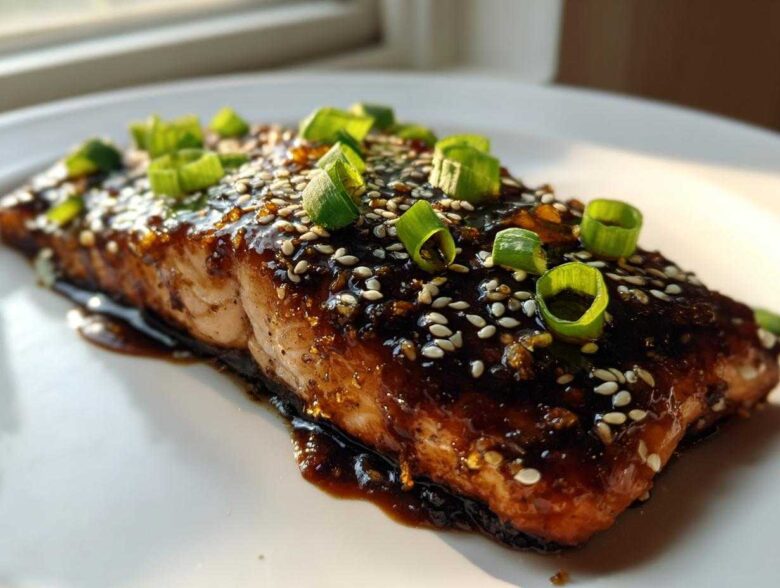
If you’re anything like me, the thought of grilling salmon on a Tuesday night feels like way too much clean-up! I need dinner on the table fast, and I need it to be totally foolproof. That’s why I live and die by my recipe for Baked Teriyaki Salmon. Forget the splattering mess of pan-searing; when we bake it in the oven, the sticky, savory glaze sets up perfectly without scorching.
Trust me on this one: this is the ultimate way to get wonderfully moist and flavorful results every single time. We’re talking about dinner that tastes complicated but comes together in seriously under 30 minutes. If you’re looking for easy salmon recipes for dinner that your whole family will ask for again, you’ve landed in the right spot!
Why This Easy Baked Teriyaki Salmon Recipe Works (EEAT Focus)
Listen, I’ve tried jamming salmon under a broiler or searing it high and fast, and honestly? It usually ends up dry and tough before the edges get that gorgeous, shiny glaze. That’s why this Easy Baked Teriyaki Salmon Recipe is my absolute go-to for weeknights. Baking at 400°F is the sweet spot!
When you bake, the gentle heat cooks the fish evenly from all sides, locking in the moisture before the teriyaki sauce has a chance to totally caramelize and burn. This method guarantees you get that incredibly Moist Baked Salmon Teriyaki everyone dreams about.
When picking out your fish, thickness matters! If you use those super thin, one-inch fillets, they’ll be done in about 10 minutes flat. For the best, most forgiving results—like the ones I use when testing my recipes—aim for fillets that are about an inch and a quarter thick. That gives you that perfect 12-to-15-minute window to guarantee flakey perfection. If you’re interested in seeing how I handle other spicy fish recipes, check out my Cajun spice salmon too!
Ingredients for the Best Baked Teriyaki Salmon
Getting the prep right is half the battle, and honestly, this sauce comes together faster than you can set the table! I always measure everything out first because once that fish is oiled and seasoned, things move quickly. We’re using thin but mighty ingredients to get maximum flavor payoff.
Here’s exactly what you need for these four servings of incredible oven Baked Salmon with Teriyaki Sauce:
- 4 (6 ounce) salmon fillets, skin on or off (your choice!)
- 1/4 cup soy sauce
- 1/4 cup mirin (sweet rice wine—don’t skip this, it adds great sweetness!)
- 2 tablespoons brown sugar
- 1 tablespoon rice vinegar
- 1 teaspoon grated fresh ginger
- 1 clove garlic, minced fine
- 1 teaspoon sesame oil
- 1 teaspoon cornstarch mixed with 1 tablespoon cold water (this is your slurry)
- 1 teaspoon sesame seeds, for garnish
- 1 green onion, sliced thin, for garnish
Having that cornstarch slurry mixed and ready on the counter is super important! It’s the secret to thickening our glaze without having to simmer it forever. Total game changer for a quick meal prep idea!
Crafting the Simple Homemade Teriyaki Glaze
Okay, let’s talk about the flavor powerhouse here: the sauce! You might think about grabbing a bottle at the store, but seriously, making your own Simple Homemade Teriyaki Glaze takes maybe three minutes more and tastes a million times better. We are building depth right from the start!
You toss the soy sauce, mirin, brown sugar, vinegar, ginger, and garlic into a tiny saucepan. Heat it gently until that sugar completely vanishes—you can’t have gritty glaze, right? Once it’s warm and dissolved, it’s time for our thickening trick. Whisk in that cornstarch slurry quickly! Keep stirring for just about a minute until you see it smooth out and coat the back of a spoon slightly. Don’t let it boil like crazy, or you’ll lose that lovely sesame oil flavor we stir in at the end.
Here’s my little secret tip before we move on: Dip a clean spoon in and taste it! Does it need a tiny splash more vinegar for tang, or maybe just a half-teaspoon more brown sugar? Adjusting the flavor profile *now* means the whole fillet tastes exactly how you want it to. If you’re looking for other things that require patience to get that deep sweetness, you have to check out my guide on caramelized onions—it’s a totally different kitchen challenge, but the flavor payoff is similar!
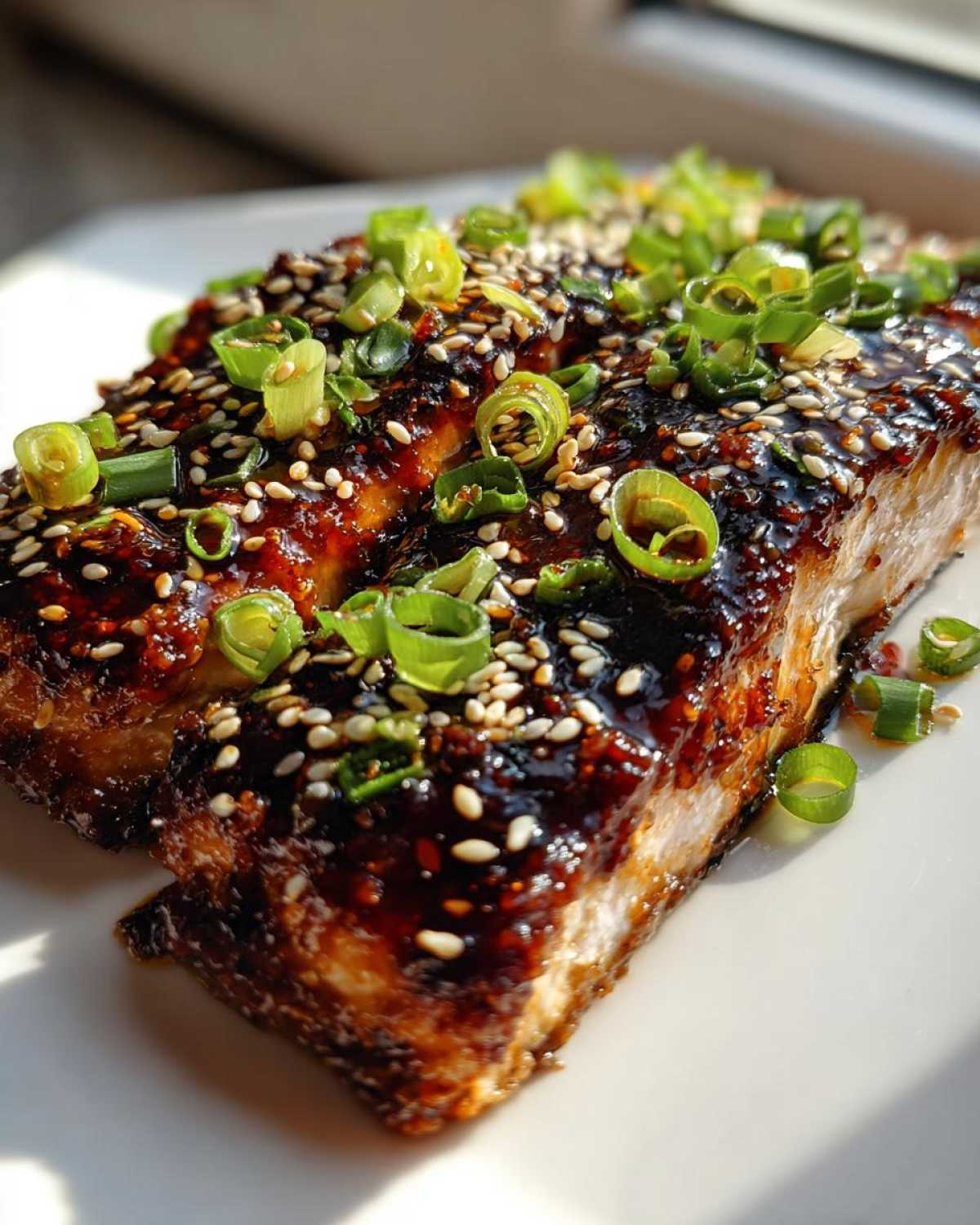
Step-by-Step Instructions for Oven Baked Salmon with Teriyaki Sauce
This is where the magic happens! Now that our shiny glaze is ready, it needs to meet our fish. Following these steps for Baked Teriyaki Salmon ensures we get that beautiful color without drying out what I promise you will be the flakiest salmon fillet you’ve ever made in the oven. Seriously, this method is the reason I hardly ever use my frying pan for fish anymore.
First, we apply a base coat of the sauce, and then we save the rest to use AFTER the fish is cooked. I know, it seems counterintuitive, but that second brushing is what locks in that incredible shine and flavor once the salmon is done. Don’t skip that part for the prettiest result!
Prepping the Pan and Oven for Perfect Baked Teriyaki Salmon
First thing’s first: crank that oven up to 400 degrees Fahrenheit (200 C). You need that heat right away! Next, grab a sturdy baking sheet. I swear by lining mine with parchment paper or foil—not just because cleanup is a breeze, but it also keeps the glaze from sticking and burning onto the metal, which is a total nightmare to scrub off later. Get your fillets lined up comfortably on the prepared sheet.
Baking Time and Temperature for Moist Baked Salmon Teriyaki
We are baking these babies for 12 to 15 minutes total. This is the golden window for the **Best Baked Salmon Cooking Time**, but remember, your fillet thickness dictates everything! If your salmon is thin, start checking right around the 12-minute mark. You want the fish to flake easily when you gently press it with a fork—that’s the sign of a perfectly cooked, **Moist Baked Salmon Teriyaki**. If you see pinkness right in the very center, give it another minute or two and check again. It’s always better to undercook slightly than to overbake fish!
Once they look done, pull them out. Now it’s time for the final step to make this the ultimate oven baked salmon with teriyaki sauce—brush the reserved sauce all over the top of the hot fish. The residual heat will warm it up just enough to make it sticky and gorgeous.
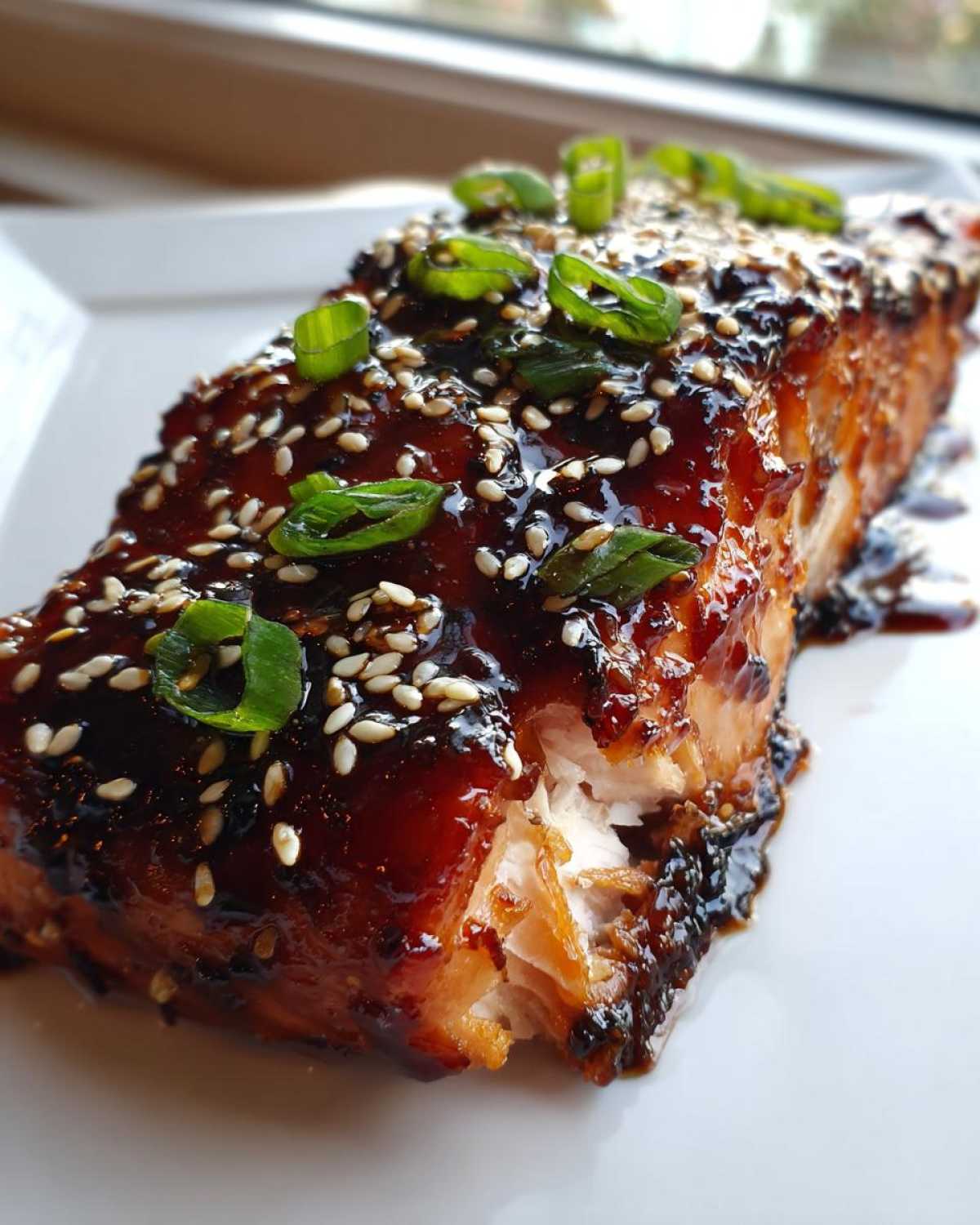
Tips for Achieving Sticky Teriyaki Glazed Salmon
So, you like that deep, lacquered shine? I get it! While my baseline recipe gives you that lovely, glossy finish just from the final brushing, sometimes you want that extra ‘oomph’ that screams takeout. If you are truly going for that intensely Sticky Teriyaki Glazed Salmon look, you have one secret weapon left: the broiler!
Right after you pull the salmon out of the oven at 12-15 minutes, brush on that reserved sauce. Then, switch your oven to broil—high heat, really fast—and pop the tray back in for just one to two minutes. You have to stand right there and watch it like a hawk, though! If you walk away for ten seconds, you’ll go from sticky glaze to charcoal dust in a flash.
For countering dryness, which is always the number one fear with baking fish, toss a couple of thin lemon slices right on top of the fillets before they go in the oven. Those slices steam slightly and keep the surface from drying out. For more flavor insights, check out my recipe on tangy lemon cakes—it shows how acid brightens up rich flavors!
Serving Suggestions for Your Teriyaki Salmon Dinner
You’ve mastered the fish, now let’s make it a full event! This is such a wonderful base for a truly Healthy Teriyaki Salmon Dinner because the flavors are so bright. My absolute classic pairing is simple steamed white rice—it soaks up any extra sauce beautifully.
For veggies, you can’t go wrong with the sides I mentioned in the notes: steamed broccoli or bright green asparagus work perfectly. If you want something a little heartier that still reads light, try serving this wonder over fluffy quinoa or alongside a simple, crisp cucumber salad tossed with a rice vinegar dressing. If you’re looking for a veggie side you can cook right alongside your fish, check out my chicken and broccoli stir-fry—you can easily leave out the chicken and just use those veggies!
Storage and Reheating Instructions for Baked Teriyaki Salmon
If you’re smart like me, you made an extra batch! This recipe is fantastic for a quick grab-and-go lunch, making it a perfect Teriyaki Salmon Meal Prep Idea. Store any leftovers in a completely airtight container in the fridge for up to three days. Don’t leave it out too long, though.
When you’re ready to eat it later, the key is gentle heat! Don’t microwave it on high power, or you’ll dry it out instantly. I reheat mine in a 300°F oven for about 8 minutes, or just microwave it for short bursts. If it looks a little dry, I splash just a few drops of water or soy sauce over the top before reheating to bring that moisture right back.
Frequently Asked Questions About Baked Teriyaki Salmon
I always get questions after posting this recipe because everyone wants their Baked Teriyaki Salmon to turn out just right! Here are the common snags people run into or substitutions they want to make when trying to make this for a Quick Weeknight Teriyaki Salmon meal.
Can I use frozen salmon fillets for this recipe?
Oh, absolutely, you can! But you have to thaw them properly first. Don’t try to bake them rock solid, or the edges will turn to dust while the middle is still frozen. I usually move the fish from the freezer to the fridge the night before. If you’re in a pinch, pop them in a bowl of cool water for about 30 minutes, changing the water once. Once thawed, just pat them really dry before brushing on the sauce!
What happens if I skip the cornstarch slurry?
If you skip the slurry, you won’t ruin the salmon, but you won’t get that wonderful, thick, glossy coating that makes this a great Sticky Teriyaki Glazed Salmon. The sauce will just be thin and watery, more like a marinade than a glaze that sticks beautifully while baking. Trust me, that one teaspoon of cornstarch is worth the minor effort.
What can I substitute for mirin if I don’t have any?
Mirin is key for that subtle sweetness and sheen, but if your pantry is empty, don’t panic! You can usually substitute it for dry sherry or even white wine, but you’ll need to add a tiny bit more sugar to compensate for the missing sweetness. A half-and-half mix of dry white wine and apple juice works wonders too if you need something fruity and sweet!
Is this considered a healthy teriyaki salmon dinner?
Yes, definitely! Since we are baking it, we use very little added oil—just that teaspoon of sesame oil goes into the sauce. It’s packed with protein, and the sugars are mostly manageable, especially if you go easy on the final glaze brushing. It’s way better than any heavy stir-fry version, that’s for sure. If you’re looking for other straightforward, healthy dinners, maybe take a peek at my one-pot creamy chicken pasta sometime—it’s deceptively simple!
Nutritional Estimates for Baked Teriyaki Salmon
Okay, so we all know that delicious food usually comes with, well, some calories, but I really wanted to break down what to expect from this dinner. This is a fantastic source of lean protein, which is why I love it for a quick, filling meal, whether you’re meal prepping or just having a busy night.
Based on the exact recipe measurements and using the fillets as listed, here’s a rough idea of what you are getting per serving. Remember, since we aren’t deep-frying anything and we’re baking, the fat is kept low!
- Serving Size: 1 fillet
- Calories: 280
- Protein: 30g
- Fat: 10g (only 2g Saturated Fat!)
- Carbohydrates: 15g
- Sugar: 12g (that’s mostly from the glaze ingredients!)
- Sodium: 650mg
I have to put the usual disclaimer here because I’m not a registered dietitian or anything—this is just a calculation based on standard ingredient tables. If you use a low-sodium soy sauce or reduce the brown sugar in the glaze, your numbers will change, of course! But overall, this recipe for Baked Teriyaki Salmon keeps things balanced for a super satisfying dinner.
PrintEasy Baked Teriyaki Salmon
Follow these steps to bake salmon fillets coated in a simple teriyaki glaze until they are moist and flaky.
- Prep Time: 10 min
- Cook Time: 15 min
- Total Time: 25 min
- Yield: 4 servings
- Category: Dinner
- Method: Baking
- Cuisine: Asian
- Diet: Low Fat
Ingredients
- 4 (6 ounce) salmon fillets, skin on or off
- 1/4 cup soy sauce
- 1/4 cup mirin (sweet rice wine)
- 2 tablespoons brown sugar
- 1 tablespoon rice vinegar
- 1 teaspoon grated fresh ginger
- 1 clove garlic, minced
- 1 teaspoon sesame oil
- 1 teaspoon cornstarch mixed with 1 tablespoon cold water (slurry)
- 1 teaspoon sesame seeds, for garnish
- 1 green onion, sliced, for garnish
Instructions
- Preheat your oven to 400 degrees Fahrenheit (200 degrees Celsius). Line a baking sheet with parchment paper or aluminum foil for easy cleanup.
- Prepare the teriyaki sauce: In a small saucepan, combine the soy sauce, mirin, brown sugar, rice vinegar, ginger, and garlic. Heat over medium heat, stirring until the sugar dissolves.
- Bring the sauce to a simmer. Whisk in the cornstarch slurry. Continue to cook and stir until the sauce thickens slightly, about 1 minute. Remove from heat and stir in the sesame oil.
- Place the salmon fillets on the prepared baking sheet. Brush about half of the teriyaki sauce evenly over the top of each fillet. Reserve the remaining sauce.
- Bake the salmon for 12 to 15 minutes, depending on the thickness of the fillets, until the salmon is cooked through and flakes easily with a fork.
- Remove the salmon from the oven. Brush the remaining teriyaki sauce over the cooked salmon.
- Garnish with sesame seeds and sliced green onion before serving.
Notes
- For extra moisture, you can place a few thin slices of lemon on top of the salmon before baking.
- If you prefer a stickier glaze, you can briefly broil the salmon for the last 1 to 2 minutes after brushing with the reserved sauce, watching closely to prevent burning.
- Serve this salmon with steamed rice and a side of steamed broccoli or asparagus.
Nutrition
- Serving Size: 1 fillet
- Calories: 280
- Sugar: 12
- Sodium: 650
- Fat: 10
- Saturated Fat: 2
- Unsaturated Fat: 8
- Trans Fat: 0
- Carbohydrates: 15
- Fiber: 0
- Protein: 30
- Cholesterol: 85