

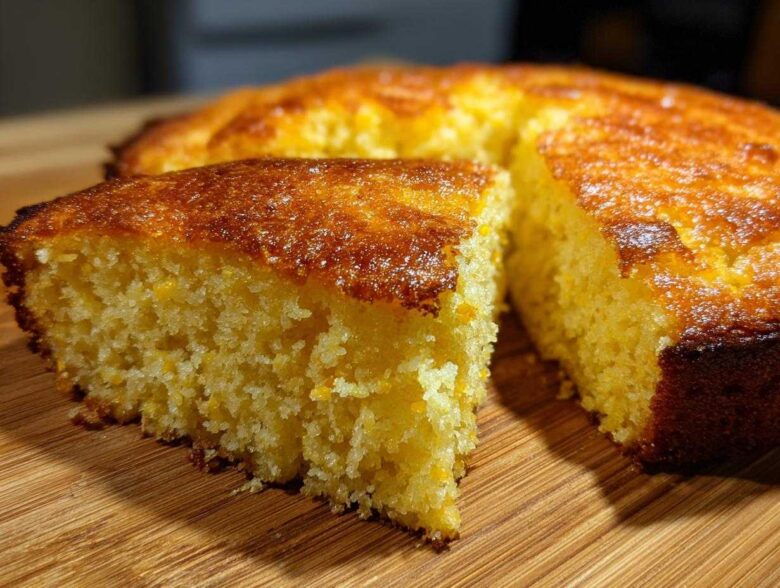
Forget everything you think you know about dry, crumbly cornbread! I spent years chasing that perfect bite: moist and tender inside, but with a shatteringly crisp, golden edge that tastes like heaven. That crispy crust? That’s the secret, and it only happens when you embrace the heat of a cast iron skillet. Believe me, I ruined more than one batch trying to do it the easy way!
When I finally got this technique down, making Cast Iron Skillet Cornbread became my go-to comfort food. It’s all about the sizzle when the batter hits that hot fat. Once you master this one simple trick—preheating your pan—you won’t bake cornbread any other way. If you want to read more of my kitchen adventures, check out my main kitchen chronicles. I’m going to show you exactly how to get that signature crunch every single time. Ready to make cornbread history?
Why This is the Best Cast Iron Cornbread Recipe (E-E-A-T Focus)
I know other recipes promise perfection, but this is truly the Best Cast Iron Cornbread Recipe you’ll ever try, and I can back that up because I’ve tested nearly every method out there! The actual excellence comes down to the cookware. Cast iron holds heat like nothing else, which is physics working in our favor for baking. When you pour that room-temperature batter into the shimmering hot fat, the crust sets instantly.
That instant crust formation is what seals in the moisture and stops the edges from getting tough. Also, make sure your buttermilk isn’t straight from the fridge! Cold ingredients slow down the baking soda and powder, leading to a flatter, sadder cornbread. Warm buttermilk mixes better and gives the batter the lift it needs. You can read about some other favorite techniques on my sourdough cornbread post, but this skillet method takes the prize.
Achieving That Signature Crispy Crust with Cast Iron Baking Techniques
This is the non-negotiable part if you want crackly edges. We aren’t just warming the pan; we are scorching hot. I highly recommend using bacon grease if you have it—that salty, smoky flavor penetrates the crust beautifully. But melted butter works too!
The goal here is to get that fat hot enough that the batter sizzles violently when you pour it in. That sizzle immediately starts frying the bottom layer, which is exactly How to Make Crispy Crust Cornbread without making the inside dense. Don’t be scared of the heat; that’s what the iron is for!
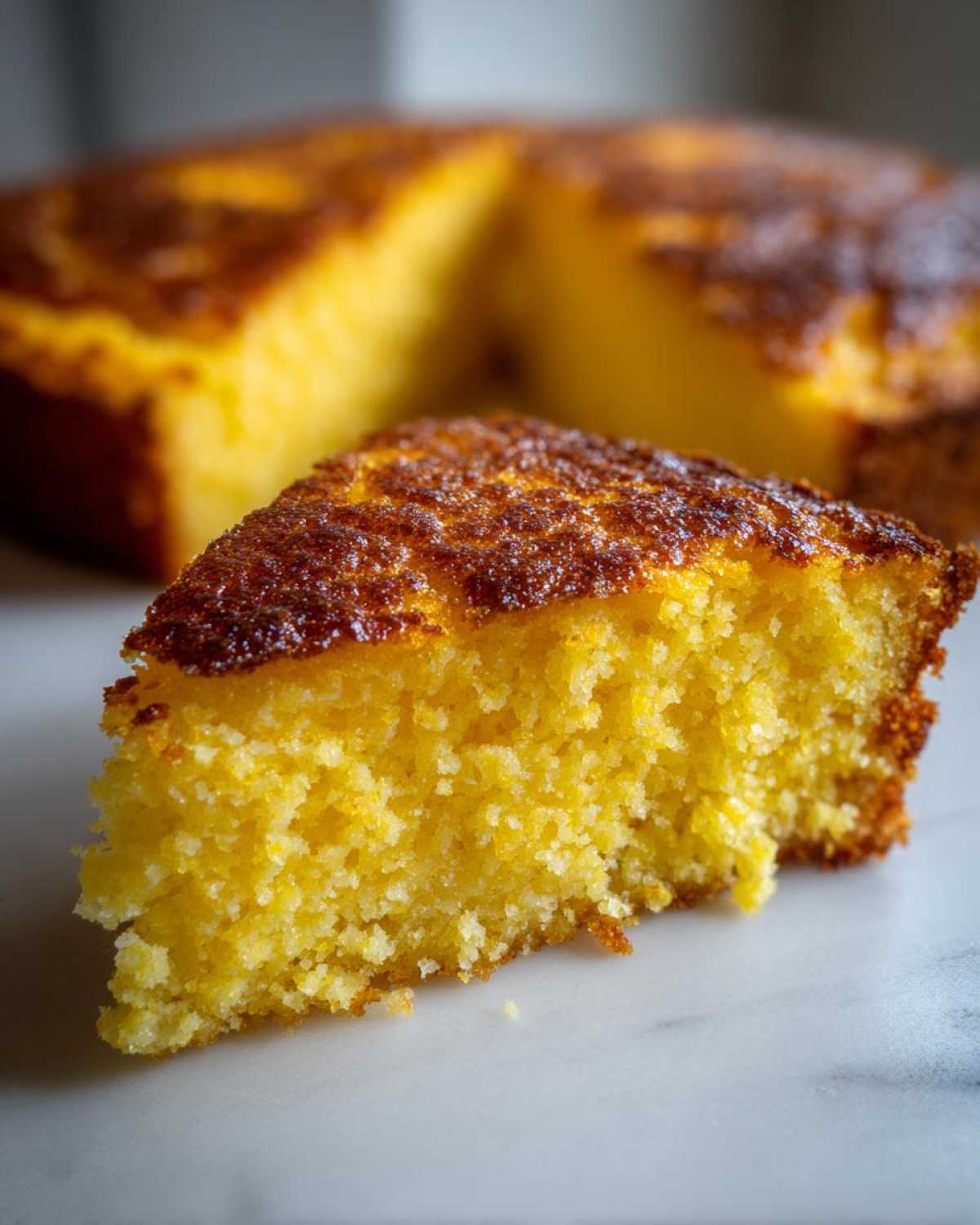
Ingredients for Your Skillet Cornbread from Scratch
Okay, let’s get organized. You can whip this amazing Skillet Cornbread from Scratch up fast, but lay everything out first! I listed some optional sugar, because I like mine traditional, but feel free to boost it if you’ve got a sweet tooth. Remember, room temperature buttermilk is key—don’t forget to pull it out early!
- 1 cup yellow cornmeal
- 1 cup all-purpose flour
- 1 tablespoon baking powder
- 1 teaspoon salt
- 1/2 teaspoon baking soda
- 1/4 cup granulated sugar (optional, omit for very traditional Southern style)
- 1 cup buttermilk, room temperature
- 1/2 cup unsalted butter, melted, plus 2 tablespoons for the skillet
- 2 large eggs, lightly beaten
If you’re looking to spice things up from here, check out my jalapeño cheddar variation for later! This simple list is pure gold, trust me.
Step-by-Step Instructions for Perfect Cast Iron Skillet Cornbread
Alright, follow these steps closely, especially around the heat situation, and you’ll have the best Cast Iron Skillet Cornbread ever. We are moving fast when the skillet comes out, so have everything mixed and ready to go before you even turn the oven on! Accuracy here equals that perfect, golden, crispy bottom.
- First things first, pop your oven up to 425 degrees Fahrenheit. If you’re using a 10-inch skillet, toss those 2 tablespoons of butter or bacon grease right into it and put the skillet into the cold oven so it heats up slowly with everything else.
- While that’s heating, in your big bowl, give the dry stuff—cornmeal, flour, baking powder, salt, baking soda, and optional sugar—a good whisk just to make sure everything’s happy and distributed evenly.
- In your medium bowl, combine your room-temperature buttermilk, the 1/2 cup of melted butter, and your eggs. Whisk lightly until they look uniform. Now, pour this wet mixture into your dry ingredients.
- Mix it with a spoon, gently! I mean it, stop mixing when you just barely combine the flour streaks. If you mix too much here, you’ll lose that delicate interior we are aiming for.
- Now for the action part! Grab those oven mitts, carefully pull that screaming hot skillet out, and check that the fat is shimmering—it should look totally liquid and maybe even slightly smoking.
- Pour your batter directly into that hot fat. You should hear a fantastic, immediate sizzle; that’s the sound of your crust forming!
- Quickly but carefully, get that skillet back into the oven and let it bake for about 20 to 25 minutes. You’re looking for a deep golden top, and when you poke a toothpick in the center, it should come out clean.
- Let it cool right in that pan for about five minutes before you slice it. Serving it right from the iron pan is the best presentation, by the way!
Preheating the Skillet: The Secret to Hot Skillet Cornbread Secrets
Seriously, don’t even think about skipping this bit. We are using the heat retention of the iron to shock the batter. Place the fat—bacon grease if you dare for maximum crunch, or butter if you prefer—in the 10-inch skillet and let the oven heat up completely around it. This ensures you get the famous crackly edges characteristic of Hot Skillet Cornbread Secrets.
Mixing the Batter for Moist Cornbread Recipe Tips
When you combine wet and dry, use a gentle hand. Overmixing develops gluten in the flour, and gluten makes things chewy, which is the enemy of great cornbread. We want tender, fluffy, and moist. A few lumps? Embrace them! These little clumps are your sign that you followed the Moist Cornbread Recipe Tips and will result in a lighter crumb.
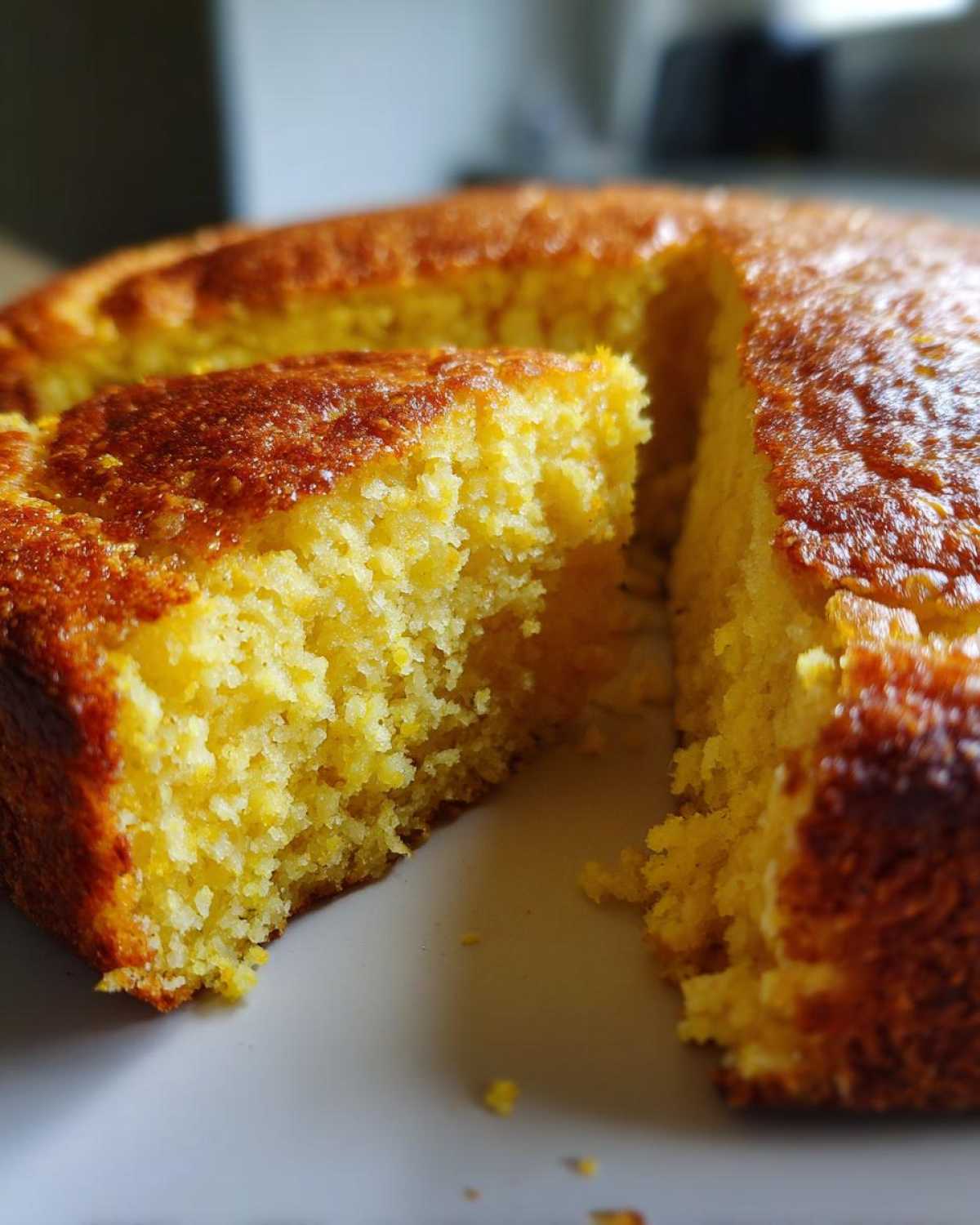
If you are looking for more neat tips just related to the process of baking in iron, check out my guide on Classic Skillet Baking!
Tips for Perfect Perfectly Baked Cornbread in Iron Pan
I’ve learned a few things over the years trying to get this Perfectly Baked Cornbread in Iron Pan just right. The biggest takeaway is to respect the ingredients’ starting point. We already talked about room-temperature buttermilk, which is HUGE for a good rise, but let’s reinforce the sizzle factor.
That moment when the batter hits the hot grease? It has to sizzle loudly. If it just kind of settles in silently, your pan wasn’t hot enough, and you’ve already lost that incredible crust potential. You can check out some pairings for this cornbread, like my favorite apple butter recipe if you want something to spread on top later!
Here’s one extra thing I always watch for: pan size matters. If you use a smaller 8-inch skillet, your cornbread will be much taller than our standard 10-inch recipe calls for. That just means you’ll need to drop the oven temp slightly and add about 5 to 8 minutes to the bake time so the middle cooks through without burning the outside!
Variations: Southern Style Cornbread Skillet vs. Sweet Cornbread Skillet Recipe
This is where things get fun, because people have *strong* feelings about sugar in their cornbread! My recipe leans slightly Southern since it only uses that small amount of sugar, but you can make it completely traditional. If you want that pure, earthy, No Sugar Cornbread Cast Iron flavor that begs for chili on top, just skip the sugar called for in the dry mix. That’s the true Southern style for me.
Now, if you’re like my husband and think cornbread should function almost like a cake, you want the Northern approach. To turn this into a Sweet Cornbread Skillet Recipe, just bump that sugar up! I’d say go to about 1/3 cup; it really changes the flavor profile and texture. It gets a little softer inside, too.
You can also play with the fat or the binder. For a tangier flavor that cuts through spice, make sure your buttermilk is fresh. If you use milk instead of buttermilk, you are definitely leaning toward the sweeter side, even with less sugar added. It’s your skillet, so pick your side! Speaking of great pairings, if you’re looking for something delicious to go with this cornbread, have you seen my recipe for easy homemade apple butter?
Storage and Reheating Your Cast Iron Skillet Cornbread
If you’re lucky enough to have leftovers (which, honestly, I doubt will happen with this crispy crust!), storage is simple. Don’t cover it airtight when it cools, or you’ll lose that precious crispness overnight. Store it loosely covered on the counter for up to three days. It’s best reheated, not microwaved—ever!
To bring back that amazing crust, just put the wedge back into a dry, warm skillet on the stove over medium-low heat for about 5 minutes. Or, if you used the oven for the main bake, pop it back into a cooler oven (around 300 degrees) for about 8 minutes. That heat will steam the inside while crisping up the bottom again! Great with a bowl of my creamy zucchini soup!
Frequently Asked Questions About Cast Iron Skillet Cornbread
I always get so many questions after people try this recipe because they can’t believe how easy it is to get that perfect texture! There are a few things that trip folks up, usually related to the buttermilk or the pan size. Don’t worry, we’ve got you covered here so your results are spot-on every time.
Can I use regular milk instead of buttermilk in my Cast Iron Skillet Cornbread?
You absolutely can, but it changes things! Buttermilk is acidic, and that acid reacts with the baking soda to give you a higher, tenderer rise with a lovely, slight tang that balances the cornmeal. If you only have regular milk, you can make a quick substitute by adding one tablespoon of white vinegar or lemon juice to one cup of milk and letting it sit for five minutes. It acts almost exactly like buttermilk for this Cast Iron Skillet Cornbread!
What size skillet is best for this Traditional Cornbread in Skillet recipe?
I swear by my 10-inch cast iron skillet for this. It gives you the perfect thickness—deep enough for a moist interior but thin enough to get that amazing crust distributed all around. If you use a smaller pan, like an 8-inch, your cornbread will be significantly taller. That means you have to bake it longer, and you run a real risk of burning the beautiful crusts before the center sets. For this Traditional Cornbread in Skillet, stick to 10 inches if you can!
If you need something warm to serve alongside this, my creamy zucchini soup is a great option for a cozy meal!
Serving Suggestions for Your Delicious Cast Iron Cornbread
Now that you have achieved cornbread perfection, you have to serve it right! Honestly, the best presentation is just slicing it right there in the hot skillet—it looks amazing on the table. This cornbread is fantastic on its own, but it practically begs for something hearty alongside it.
It’s an absolute must-have with a thick bowl of chili, especially my favorite turkey pumpkin chili, or served alongside slow-cooked greens with a drizzle of honey. Don’t forget to offer butter, or maybe even some salted honey, so everyone can appreciate that crunchy crust!
Nutritional Estimates for This Recipe
Okay, so while we are focused on taste and that killer crust, I know some of you are curious about what you’re putting into your body. Here are the general estimates I came up with for this recipe. Now, remember, these numbers are based on using the optional sugar and standard butter, so if you make the totally traditional, no-sugar, bacon-grease version, things will change a bit!
- Serving Size: 1 wedge
- Calories: 250
- Sugar: 4g
- Sodium: 350mg
- Fat: 14g
- Protein: 5g
See, not bad at all for something so comforting! If you usually need something super easy to follow after baking, you have to try my white chicken lasagna soup recipe. It always seems to pair perfectly with a slice of this cornbread when the weather turns chilly!
PrintUltimate Crispy-Crusted Cast Iron Skillet Cornbread
A recipe for traditional Southern-style cornbread baked in a preheated cast iron skillet, resulting in a moist interior and a deeply golden, crisp crust.
- Prep Time: 10 min
- Cook Time: 25 min
- Total Time: 35 min
- Yield: 8 servings
- Category: Side Dish
- Method: Baking
- Cuisine: American
- Diet: Vegetarian
Ingredients
- 1 cup yellow cornmeal
- 1 cup all-purpose flour
- 1 tablespoon baking powder
- 1 teaspoon salt
- 1/2 teaspoon baking soda
- 1/4 cup granulated sugar (optional, omit for very traditional Southern style)
- 1 cup buttermilk, room temperature
- 1/2 cup unsalted butter, melted, plus 2 tablespoons for the skillet
- 2 large eggs, lightly beaten
Instructions
- Preheat your oven to 425 degrees Fahrenheit. Place the 2 tablespoons of butter or bacon grease into a 10-inch cast iron skillet and place the skillet in the oven while it preheats.
- In a large bowl, whisk together the cornmeal, flour, baking powder, salt, baking soda, and sugar, if using.
- In a separate medium bowl, whisk together the buttermilk, the 1/2 cup of melted butter, and the eggs until combined.
- Pour the wet ingredients into the dry ingredients. Mix gently with a spoon until just combined. Do not overmix; a few lumps are fine.
- Carefully remove the hot skillet from the oven using oven mitts. The fat in the skillet should be shimmering hot.
- Pour the batter immediately into the hot skillet. It should sizzle when it hits the fat.
- Return the skillet to the oven and bake for 20 to 25 minutes, or until the top is golden brown and a toothpick inserted into the center comes out clean.
- Let the cornbread cool in the skillet for 5 minutes before slicing and serving directly from the pan.
Notes
- For the crispiest crust, use bacon grease instead of butter to preheat the skillet.
- If you prefer a sweeter cornbread, increase the sugar to 1/3 cup.
- Ensure your buttermilk is at room temperature for better mixing and rise.
- Do not skip preheating the skillet; this step creates the signature crust.
Nutrition
- Serving Size: 1 wedge
- Calories: 250
- Sugar: 4
- Sodium: 350
- Fat: 14
- Saturated Fat: 8
- Unsaturated Fat: 6
- Trans Fat: 0
- Carbohydrates: 28
- Fiber: 1
- Protein: 5
- Cholesterol: 65