

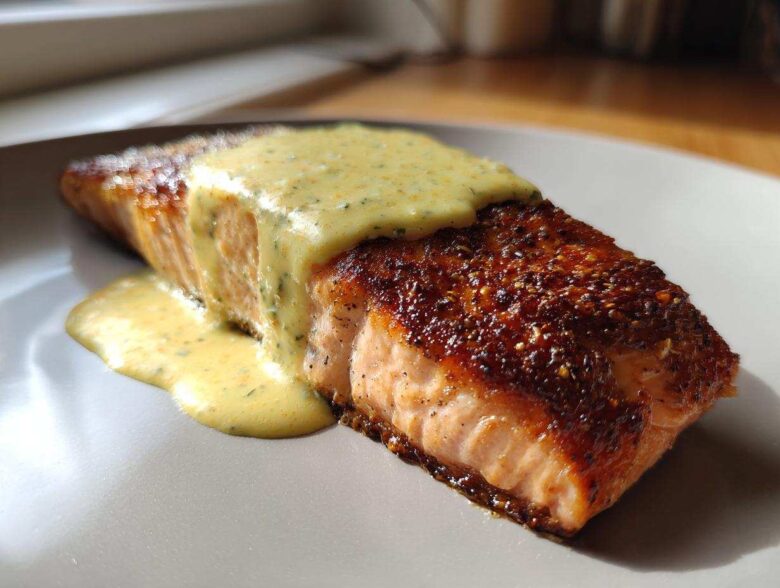
Listen, getting a salmon fillet cooked through without turning it into dry cardboard has always felt like luck, right? Not anymore! I spent years testing pans and temperatures just to nail that sweet spot: impossibly crunchy skin that stays perfect, paired with an unbelievably rich and tangy sauce. That is precisely what we are achieving today with this Crispy Pan Seared Salmon with Creamy Lemon Dill Sauce. Trust me, because I’ve ruined more salmon than most people have cooked; this method locks in moisture while giving you that restaurant-quality sear every single time. You absolutely need the fresh lemon and dill for this bright sauce, it just sings alongside the rich fish.
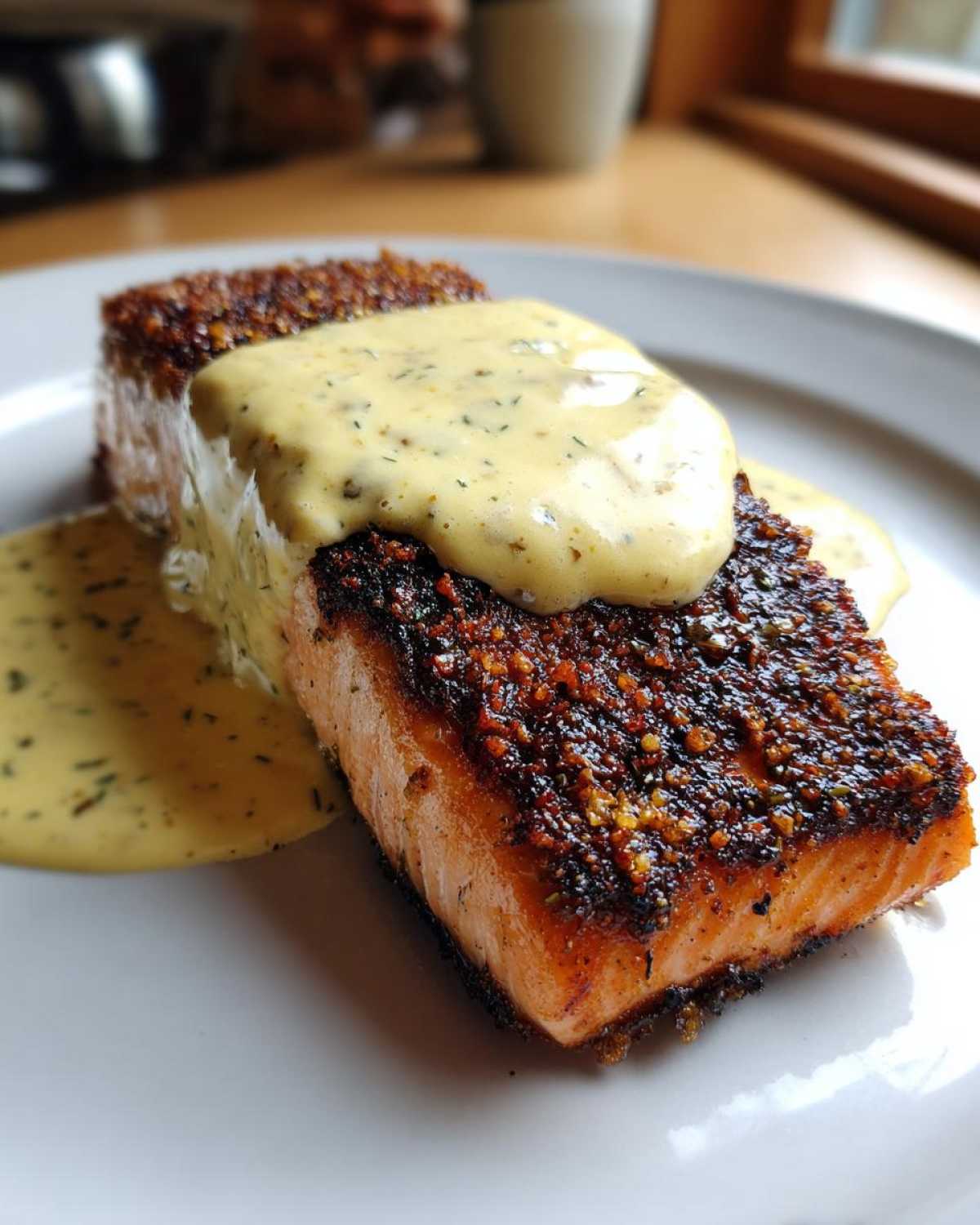
We’re going to serve this masterpiece with a little help from my recipe for spicy blackened salmon advice on handling high heat, ensuring your weeknight dinner feels like gourmet home cooking.
Why This Crispy Pan Seared Salmon with Creamy Lemon Dill Sauce Works
I want you to feel totally confident when you tackle this one. This isn’t some fussy recipe; it’s designed to deliver major results without demanding hours in the kitchen. We focus on technique first, flavor second, and the results speak for themselves!
- You get skin that shatters beautifully—no soggy sadness here.
- It promises restaurant quality fish that tastes like you spent way too much time on it.
- The sauce is tangy and bright, perfectly balancing the richness of the salmon fat.
It’s seriously impressive seafood that comes together fast!
Quick Prep and Cook Times for Your Weeknight Salmon Dinner
Seriously, the whole thing is done in about 15 minutes start to finish. That makes it one of the best options for a quick seafood dinner when you need something fast but want it to taste gourmet. That sauce comes together while the fish rests!
Ingredients for Crispy Pan Seared Salmon with Creamy Lemon Dill Sauce
Okay, gathering your crew of ingredients is half the battle won. Don’t overthink this simple list—it’s all about quality shining through. We need two main players here: the salmon that’s going to get that beautiful crisp, and the sauce components that bring all that bright, herbaceous flavor.
- Two (6 oz) salmon fillets, and listen closely: they absolutely must be skin on! That’s the secret weapon for that shatteringly crisp finish.
- 1 tablespoon olive oil—we need a high smoke point oil for searing.
- 1/2 teaspoon salt and 1/4 teaspoon black pepper—just your basic seasoning combo here.
- 1 tablespoon butter—this comes in later for flavor, not the initial sear.
- 1/4 cup heavy cream—this is what gives us that silky, beautiful texture in the sauce.
- 2 tablespoons fresh lemon juice—seriously, don’t use the bottled stuff; the fresh juice makes this sauce sing!
- 1 tablespoon fresh dill, chopped—this has to be fresh, trust me. Dried dill just doesn’t cut it here.
- 1 small garlic clove, minced super fine.
- 1/4 teaspoon Dijon mustard—it adds the perfect little tang without tasting overtly like mustard.
Ingredient Notes and Substitutions
If you’re missing heavy cream, you can try using half-and-half, but you’ll need to really watch your heat and maybe add just a tiny dusting of cornstarch dissolved in a teaspoon of water right at the end to help it thicken up. Cornstarch is handy, but usually, the heavy cream does the trick all on its own with just a little simmer time. Also, if you happen to have some leftover creamy zucchini soup ingredients lying around, you know I love using fresh herbs whenever possible!
Remember, the success of the skin relies 100% on having those fillets dry and having the skin attached. It’s not optional for this recipe!
Pan Searing Techniques for Perfectly Cooked Salmon Fillet
This is where the magic truly happens, folks! If you skip the drying step, you’re essentially steaming your salmon, which is the opposite of what we want. You need a screaming hot pan to instantly vaporize any moisture off that skin. I learned early on that a good non-stick or cast-iron pan is your best friend here; skip the cheap thin pans, or you’re going to have a major sticking situation.
When I first started trying to get that flawless crust, I used to peek too much. Big mistake! Once that seasoned fish hits the hot oil, you have to let it be. Don’t touch it for at least four minutes. That undisturbed contact is what builds that gorgeous, deeply browned texture.
How to Get Crispy Fish Skin: The Drying Step
Seriously, go crazy with the paper towels. Take your fridge-cold salmon fillets and blot, blot, blot the skin side until you think it can’t get any drier—then blot it once more! Moisture is the enemy of crispiness. Steam happens when water hits hot oil, and steam prevents searing. I always pat the top (flesh side) too, but the skin needs that intense drying effort. This is perhaps the most important part of mastering how to get crispy fish skin.
Searing and Flipping the Pan Seared Salmon Skin On
Get your oil shimmering, add the fish skin-side down, and press gently with a spatula for about 10 seconds to ensure the whole surface touches the metal. You’ll see the cooked color slowly travel up the side of the fillet, almost like progress bar filling up. Once about two-thirds of the way up (usually 4 to 6 minutes), reduce the heat slightly, add that tablespoon of butter, and flip it over gently. A quick 2-3 minutes on the flesh side and you are done! That’s your standard guideline for a beautiful, pan seared salmon skin on finish without overcooking the interior.
Crafting the Best Lemon Dill Sauce for Your Salmon
While the salmon is resting its crispy bottom, we toss together the sauce. This is the part that elevates your dinner to that ‘wow’ factor! You want to keep the heat low here because heavy cream and strong acids like lemon juice don’t mix well if they start boiling violently. That’s how you get broken sauce, and nobody wants patchy cream!
First, use the gorgeous flavored fat left in the pan after searing—don’t wipe it out! Just pop in your minced garlic for about 30 seconds until you can really smell it. Then, quickly pour in the heavy cream and the fresh lemon juice. Whisk gently while scraping up those tasty browned bits. This is how we build flavor instantly! This simple preparation is the secret to a fantastic lemony cream sauce recipe.
The final additions are the Dijon mustard and the fresh dill. Stir those in, let it simmer gently for just a minute or two until it thickens enough to coat the back of a spoon. Taste it—you might need a tiny bit more salt, but usually, the Dijon makes it pop. Seriously, this best lemon dill sauce is amazing over everything, not just this dill sauce for fish; it comes together so fast!
Assembling Your Crispy Pan Seared Salmon with Creamy Lemon Dill Sauce
Alright, this is the moment of truth. You’ve got a perfectly flaky, beautifully pink fillet sitting there with that hard-won crispy skin. Don’t ruin it now by drowning the skin in sauce! That’s honestly the biggest culinary crime you can commit here.
When plating your Crispy Pan Seared Salmon with Creamy Lemon Dill Sauce, you want to place the salmon skin-side down onto your plate first. This ensures the skin stays dry and crisp against the plate surface. Then, take that luxurious lemon dill sauce and spoon it generously right over the top—the exposed flesh side—and let it cascade down the sides a little bit.
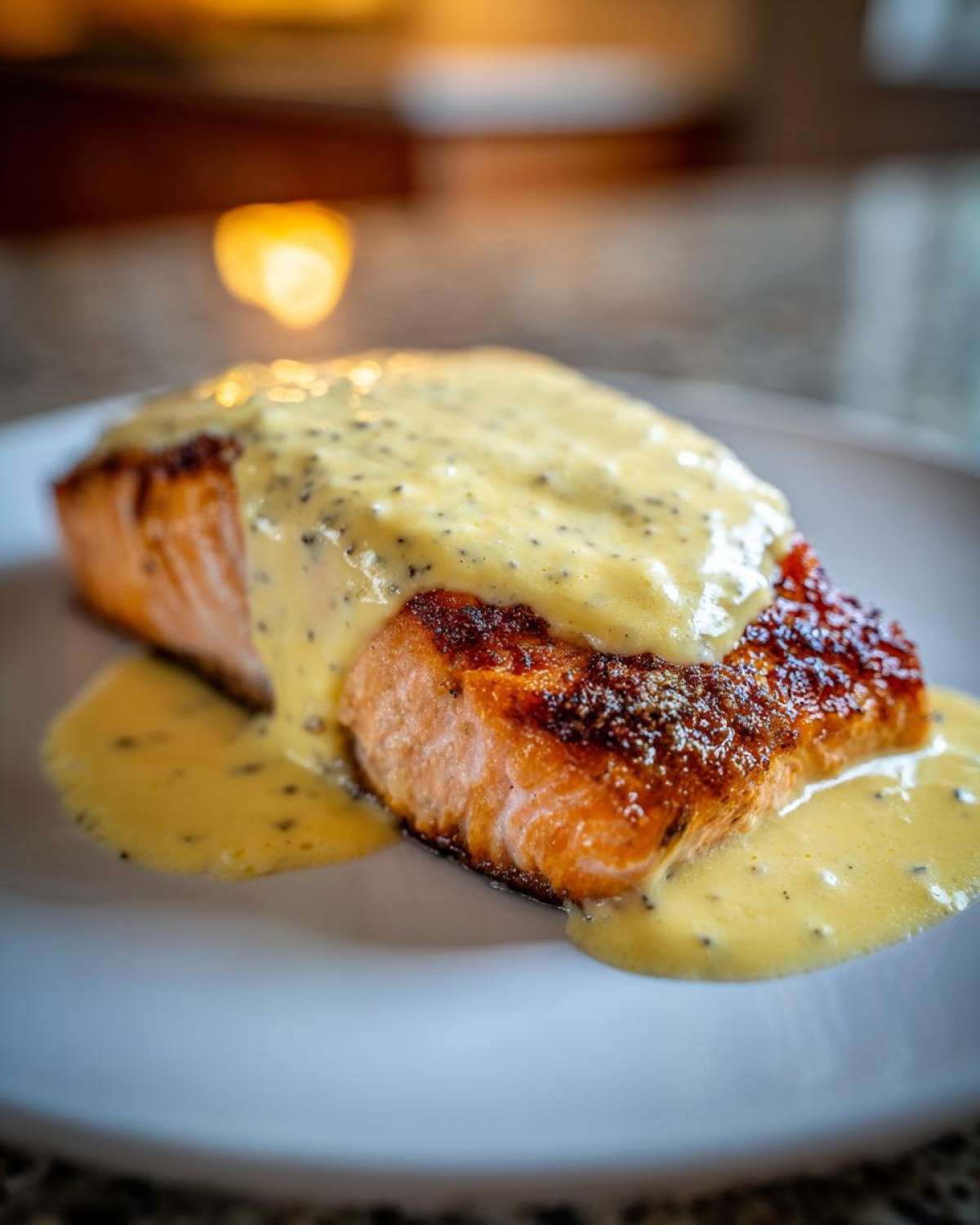
The contrast between the warm, tangy sauce and that salty crunch of the skin is pure heaven. You’ve just created a true restaurant style salmon dish that took maybe fifteen minutes. Serve it immediately while the skin is at its peak crispiness. Enjoy every single bite!
Tips for Success with This Restaurant Style Salmon
Look, cooking perfectly seared fish is about paying attention to a few key details, not scrubbing complicated techniques. I want you to nail this centerpiece meal, making it feel like you’re whipping up some amazing gourmet home cooking every time. Here are the absolute must-knows from my kitchen to yours.
- Start Cold, Sear Hot: This is counterintuitive, but it works wonders! For the absolute crispiest skin, pull your salmon out of the fridge right before you cook it. A cold fillet hitting that shimmering hot oil slows down the cooking just enough on the surface to let the skin crisp up before the inside overcooks.
- Mind the Thickness: If you grab really thick fillets—say, over an inch and a half—the skin might crisp perfectly, but the center might still be raw when the skin is done. If that happens, don’t panic! After you sear the skin side and flip it for just one minute, immediately pop the whole skillet (if it’s oven-safe!) into a preheated 400°F oven for 3 to 5 minutes until it hits that perfect internal temp.
- Don’t Crowd the Pan: If you’re scaling this up for more than two people, use two different pans instead of trying to cram four fillets into one skillet. Overcrowding drops the temperature instantly, meaning you steam the fish instead of searing it. Keep that heat high and steady for that perfect crust consistency!
Serving Suggestions for Your Crispy Pan Seared Salmon
Now that you’ve mastered the fish and the bright, zesty sauce, we need a supporting cast! You don’t want heavy, overpowering sides when you have salmon this delicate and flavorful. The goal here is sides that soak up any extra creamy lemon dill sauce without stealing the show.
For me, the absolute perfect pairing is something green and something starchy. Roasted asparagus spears tossed lightly with olive oil, salt, and pepper cook up super fast right alongside your salmon prep. They get just a little bit tender-crisp, which contrasts nicely with the richness of the sauce.
If you’re looking for that ultimate comforting base, you absolutely must pair this with creamy mashed potatoes. I know I have the recipe for creamy restaurant-style garlic mashed potatoes, and honestly, they are engineered to catch every last drop of that lemon dill goodness clinging to the plate. You seriously won’t regret making a double batch of potatoes!
Or, keep it super light and healthy—a simple wild rice pilaf or some quickly steamed green beans tossed with toasted almonds works beautifully too. Whatever you choose, keep it straightforward so that amazing, crispy salmon and its sauce remain the star of the show!
Storage and Reheating Instructions for Leftover Salmon
I’m going to be honest, there are rarely leftovers when I make this recipe because my family clears the plates instantly! But, if you happen to be lucky enough to have some gorgeous crispy salmon remaining, you absolutely must store the components separately. The crispy skin is very fragile, and the creamy sauce is just happier on its own.
Wrap the salmon fillet tightly in some plastic wrap or put it in an airtight container. Keep that sauce in its own little jar in the fridge—it keeps beautifully for about three days, too!
Reheating is where you need to be gentle to respect that hard-earned crispiness. Seriously, forget the microwave! The microwave will make the skin instantly rubbery, which defeats the entire purpose of this recipe. The best way to bring it back to life is either in a toaster oven or a standard oven set to about 325°F (160°C).
Lay the salmon skin-side up on a lined baking sheet. Heat it just until it’s warmed through, which should only take about 6 to 8 minutes if you’re using reasonably sized fillets. While the fish is warming up, gently reheat your lemon dill sauce on the stovetop over very low heat, stirring constantly. Don’t let it boil, or you risk breaking that beautiful emulsion. Plate the warm salmon, spoon that luscious sauce over the flesh, and you’ve got a five-minute second meal that tastes almost as good as freshly made!
Frequently Asked Questions About Crispy Pan Seared Salmon
I know sometimes you have to make substitutions or you’re working with what you have on hand. That’s okay! Cooking is flexible, but for this recipe to deliver that perfect texture, there are a few guidelines that really help. Here are the questions I get asked most often about achieving the ultimate Easy Creamy Salmon Sauce and that perfect sear!
Can I make the Creamy Lemon Dill Sauce ahead of time?
Yes, you absolutely can make that creamy lemon dill sauce—it’s great for meal prep! I usually whip it up the day before. However, I always store the sauce and the cooked salmon separately, obviously. When you get ready to serve leftovers, gently reheat the sauce on the stove over very low heat, stirring constantly so it doesn’t split. If it seems too thick after chilling, add a teaspoon of water or milk to bring it back to a nice pourable consistency. Don’t blast it in the microwave, or you might find yourself with clumpy cream!
What temperature should the internal salmon reach?
For safety and the best texture, the US standard is 145°F (about 63°C), and that’s what I always aim for when finishing my perfectly cooked salmon fillet. Because we are searing so hot and fast, if you’re using a thinner fillet, you might pull it off the heat when it hits about 140°F, just letting that residual heat carry it up to 145°F while it rests. If you have a thicker piece, you might need that quick trip to the oven I mentioned earlier to hit that temp without burning the bottom.
Can I use skinless salmon for this specific recipe?
Oh, gosh, I really wouldn’t recommend it for this particular method. The entire point of building flavor and achieving that incredible texture hinges on the fact that we sear the skin side first. The skin acts as a natural barrier, allowing you to cook the fish evenly while the exterior gets perfectly crisp. If you skip the skin, you’re going to struggle to get that beautiful browning without drying out the flesh. If you must use skinless, I’d suggest looking up a recipe for blackened salmon instead, as that technique works better for skinless cuts!
What is the best type of pan to use for the Crispy Salmon Recipe?
Hands down, your best weapon for getting that truly stunning, shatteringly crisp skin is a well-seasoned cast-iron skillet. It holds heat incredibly well, which is vital when you first drop the cold fish in. If you don’t have cast iron, a heavy-bottomed stainless steel pan works second best. You want something substantial that won’t rapidly drop temperature when the salmon hits it. Avoid specialized non-stick pans unless they are advertised for very high heat, because those flimsy ones often struggle to give you the deep sear needed for a really fantastic crispy salmon recipe.
PrintCrispy Pan Seared Salmon with Creamy Lemon Dill Sauce
Follow these steps to cook salmon fillets with perfectly crispy skin and serve them with a rich, tangy lemon dill cream sauce.
- Prep Time: 5 min
- Cook Time: 10 min
- Total Time: 15 min
- Yield: 2 servings
- Category: Dinner
- Method: Pan Searing
- Cuisine: American
- Diet: Low Fat
Ingredients
- 2 (6 oz) salmon fillets, skin on
- 1 tablespoon olive oil
- 1/2 teaspoon salt
- 1/4 teaspoon black pepper
- 1 tablespoon butter
- 1/4 cup heavy cream
- 2 tablespoons fresh lemon juice
- 1 tablespoon fresh dill, chopped
- 1 small garlic clove, minced
- 1/4 teaspoon Dijon mustard
Instructions
- Pat the salmon fillets very dry using paper towels. This step is crucial for crispy skin. Season the flesh side with salt and pepper.
- Place a non-stick or cast-iron skillet over medium-high heat. Add the olive oil. Wait until the oil shimmers slightly.
- Place the salmon fillets skin-side down in the hot skillet. Press gently on the top of each fillet for 10 seconds to ensure full contact with the pan.
- Sear the salmon, undisturbed, for 4 to 6 minutes, or until the skin is deeply golden brown and crisp. You will see the color change moving up the side of the fillet.
- Reduce the heat to medium-low. Flip the salmon carefully. Add the butter to the pan. Cook for another 2 to 3 minutes until the salmon reaches your desired doneness (internal temperature of 145°F for medium). Remove the salmon from the pan and set aside on a plate.
- To make the sauce, keep the heat on low. Add the minced garlic to the remaining fat in the pan and cook for 30 seconds until fragrant.
- Pour in the heavy cream and lemon juice. Stir constantly, scraping up any browned bits from the bottom of the pan.
- Stir in the Dijon mustard and chopped dill. Simmer gently for 1 to 2 minutes until the sauce thickens slightly. Do not boil rapidly.
- Taste the sauce and add a pinch more salt or pepper if needed. Spoon the creamy lemon dill sauce over the cooked salmon fillets.
Notes
- For the crispiest skin, ensure the salmon is cold when it hits the hot pan.
- If your fillets are very thick, you may need to finish them in a 400°F oven after searing the skin side.
- Use fresh lemon juice for the best flavor in the sauce.
Nutrition
- Serving Size: 1 fillet with sauce
- Calories: 420
- Sugar: 1
- Sodium: 450
- Fat: 28
- Saturated Fat: 12
- Unsaturated Fat: 16
- Trans Fat: 0
- Carbohydrates: 3
- Fiber: 0
- Protein: 38
- Cholesterol: 110