

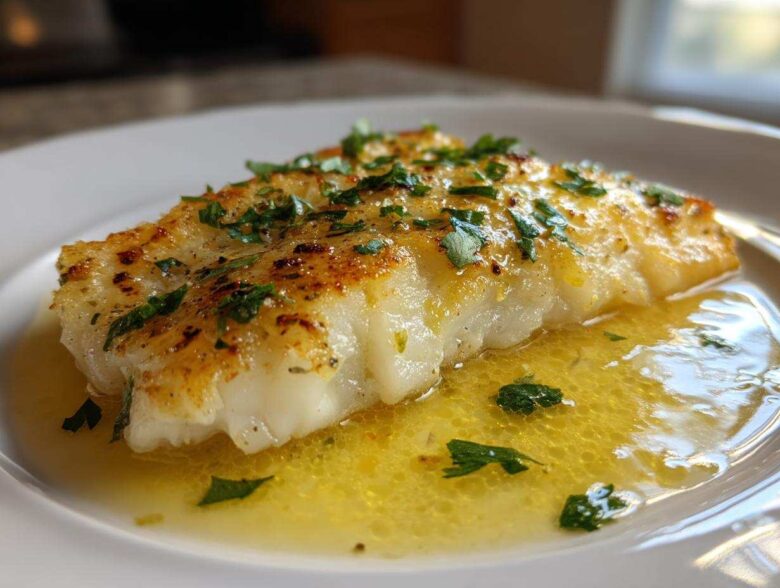
You know those nights? You want something that tastes like you spent hours at a fancy Italian place, but you actually need to eat dinner before 8 PM? I totally get it. That’s why I’m so excited to share my absolute favorite way to get chef-quality food on the table in minutes. This is the definitive, simple guide to the Easy Flounder Francese Recipe. I spent way too many attempts figuring out the perfect coating and the foolproof sauce technique, and trust me, I’ve cracked the code. This recipe makes that bright, lemony, buttery sauce practically automatically, turning those delicate flounder fillets into something spectacular. It’s truly my go-to for a light and easy fish dinner.
Why This is the Best Easy Flounder Francese Recipe (EEAT Focus)
Look, I get it. Fancy sounding dishes like ‘Francese’ can intimidate you, but I promise you, that’s just a fancy word for ‘quick sauté in lemon butter.’ That’s why this recipe is my secret weapon for amazing weeknight seafood recipes under 30 minutes.
The ease comes from the coating—it’s just a quick dip in flour, then egg, and that’s it. No crazy breadcrumbs needed! We’re talking about 2 to 3 minutes per side for the fish, which is honestly faster than boiling water sometimes.
But don’t let the speed fool you; this is classic flavor done right. The sauce—that bright combination of dry white wine, fresh lemon juice, and butter—is what makes it sing. It seriously tastes like restaurant food. I call it my Foolproof Flounder Francese because the technique is so straightforward, you’ll nail that perfectly light, tender fish with a vibrant pan sauce every single time. You should check out some of my other quick pasta ideas over on the blog for more fast dinner inspiration!
Gathering Ingredients for Your Easy Flounder Francese Recipe
The beauty of this Simple Flounder Francese recipe is that it relies on pantry staples and relatively few fresh items. We’re not making anything too complicated here! You’ll need four thin flounder fillets—about five ounces each is perfect for serving—but listen, if you can’t find flounder, don’t stress. Thin cuts of sole or even tilapia work beautifully for this style of preparation. I often use whatever light white fish I grab at the market.
The key to the sauce is having your liquids ready: a half cup of dry white wine, like a Pinot Grigio, and definitely fresh lemon juice. No bottled stuff allowed for this flavor! We’re also dividing our fat source, which is important later for the sauce stability.
Essential Components for the Easy Flounder Francese Recipe
Here’s exactly what you need to pull this together:
- 4 flounder fillets (about 5 ounces each)
- 1/2 cup all-purpose flour
- 2 large eggs
- 1 tablespoon water
- 1/4 teaspoon salt
- 1/8 teaspoon black pepper
- 3 tablespoons olive oil
- 3 tablespoons unsalted butter, divided
- 1/2 cup dry white wine (like Pinot Grigio)
- 1/4 cup fresh lemon juice
- 2 tablespoons fresh parsley, chopped
Step-by-Step Instructions for the Quick Lemon Butter Fish Recipe
This is where the magic happens, and honestly, it moves fast! Since this is a pan fried flounder recipe easy style, we need to have everything prepped before the heat goes on. Don’t multitask during the cooking; just follow these steps in order, and you’ll have a fantastic flounder in white wine sauce for beginners.
Preparing the Flounder Fillets and Dredging Station
First things first: take your flounder fillets and pat them *very* dry with paper towels. I can’t stress this enough! Moisture is the enemy of a good coating. If it’s damp, that lovely flour crust won’t stick.
Next, set up your station like you’re prepping for a culinary operation. You need three shallow dishes. Put your 1/2 cup of all-purpose flour on the first plate. In the second bowl, whisk together your two eggs with that single tablespoon of water, the salt, and the pepper until it looks evenly combined and a little frothy. The third dish is just your clean staging area.
Now, take one fillet, lightly dredge it in the flour—shake off any major clumps that stick. Immediately dip that floured fillet into the egg wash, let the extra drip back into the bowl, and carefully place it on your clean plate. Repeat for all four pieces. You’re ready to cook!
Pan Frying the Flounder for the Easy Flounder Francese Recipe
Time to heat things up! In your biggest skillet—you need room for the fish—add 2 tablespoons of olive oil and 1 tablespoon of that unsalted butter. Get the heat to medium-high. You want the fat shimmering but not smoking furiously. Once it’s ready, carefully lay your coated flounder fillets into the hot pan. Don’t crowd them, or they’ll steam instead of crisping up.
Cook them for just 2 to 3 minutes per side. That’s usually all it takes for thin fillets like flounder until they turn golden brown and feel firm. Once they look perfect, scoop them out and put them on a warm serving plate while you quickly whip up the sauce. If you leave them in, they’ll keep cooking and get tough!
Creating the Classic Lemon Butter Pan Sauce
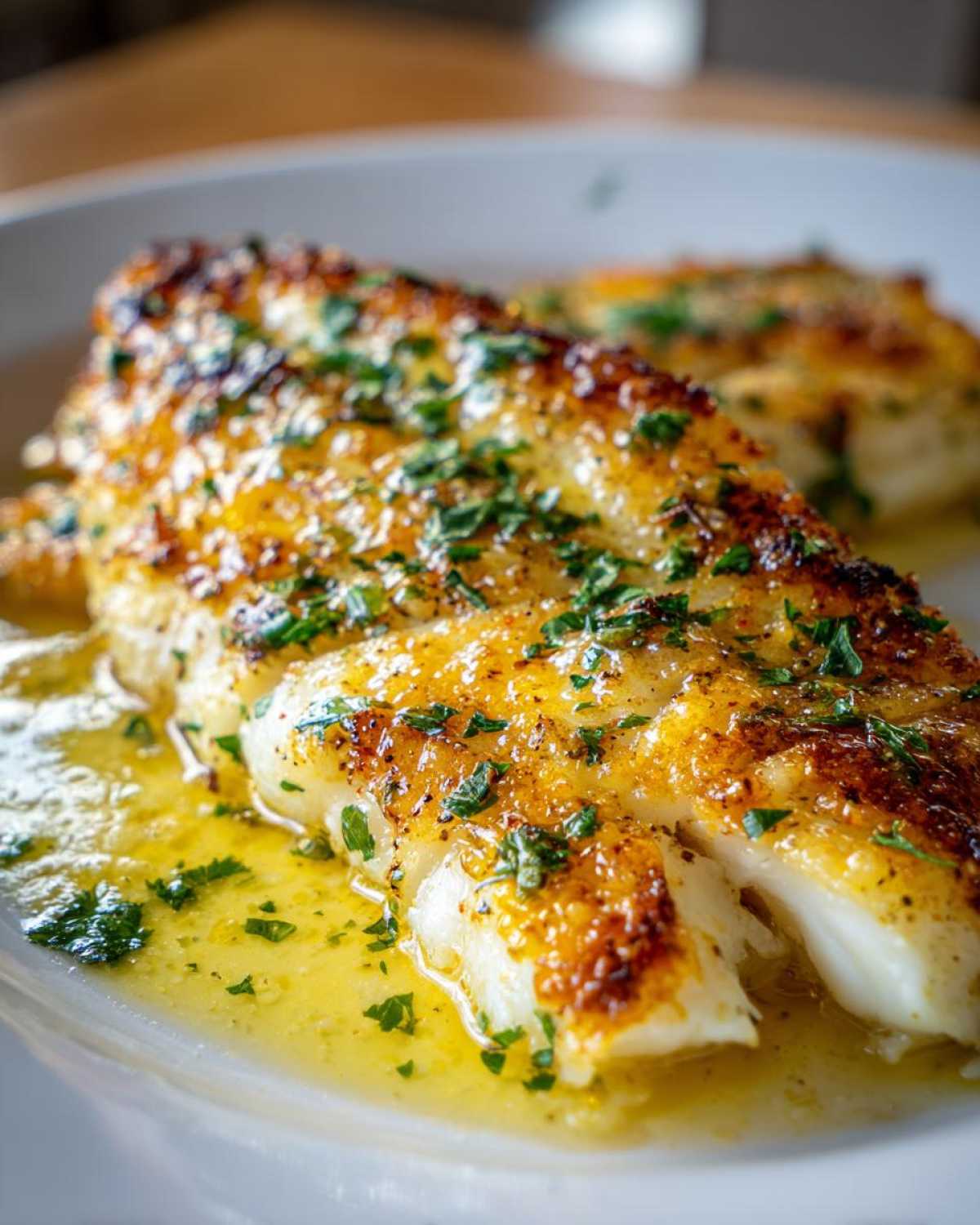
Keep that skillet right where it is, but drop the heat down to medium—we don’t want the sauce to burn! Add the remaining 1 tablespoon of olive oil and the other 2 tablespoons of butter into the pan. As soon as that butter melts, pour in your 1/2 cup of dry white wine. Let it bubble gently for about 60 seconds. This is the crucial step: use a wooden spoon to scrape up all those little delicious brown bits stuck to the bottom of the pan. That’s pure flavor!
Next, stir in your 1/4 cup of fresh lemon juice. Let that simmer down for another couple of minutes until you can see it just starting to cling slightly to the back of the spoon. Don’t let it boil hard! Return your cooked fish to the pan and just spoon that bright sauce over the tops for about 30 seconds to get everything hot and coated. Finish with a sprinkle of fresh parsley, and you’re done. If you’re looking for other quick meals, I love making one-pot shrimp boil when I need minimal cleanup!
Tips for Success with Your Simple Flounder Francese Recipe
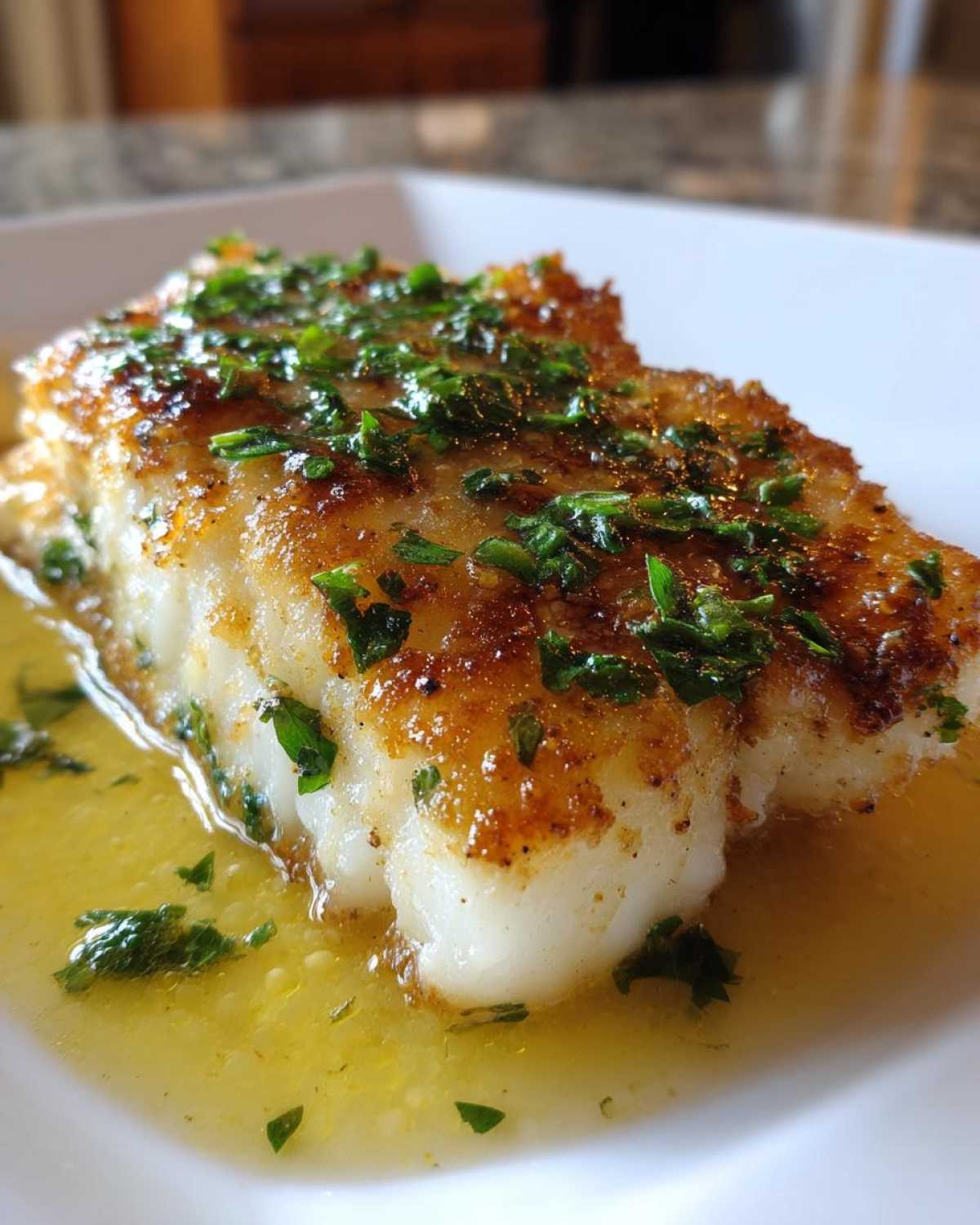
Okay, so you’ve got the steps down, but I want to make sure your coating is perfectly light and crispy—that’s the goal, right? One thing I learned the hard way is that whole butter burns super fast when you’re frying! If you really want that extra protection for your coating firmness, try swapping that initial butter amount for clarified butter or ghee. It gives you that gorgeous nutty flavor without scorching while your fish cooks.
Now, let’s talk about the sauce, because this is where beginners sometimes get nervous about it ‘breaking’ or turning oily. If you don’t have white wine, don’t stress; just use chicken broth with a teaspoon of white wine vinegar for that necessary acid kick. That’s a great hack for making this quick lemon butter fish recipe work anytime.
But here is the big secret for a silky, professional sauce: when you’re finishing up, remove the pan from the direct heat *before* you swirl in that last tablespoon of cold butter. That gentle swirling motion? That’s called emulsification! It binds the fat and the liquid beautifully, giving you a luxurious coating for your fish, not a greasy puddle. You can find my other favorite baking tips over on my guide to peanut butter blossoms, though those are a little different than seafood!
Serving Suggestions for Your Mediterranean Flounder Dinner Ideas
That bright, tangy lemon sauce just begs for something simple alongside it, doesn’t it? This dish screams Mediterranean flounder dinner ideas, meaning we want fresh, mostly starch-forward sides to soak up every last drop of that delicious pan sauce. Don’t make complicated sides; the fish is the star here!
If you need a starch, creamy mashed potatoes are amazing, or even better, some fluffy rice pilaf. I also think angel hair pasta tossed lightly with a little of the reserved sauce is divine—it turns this into a truly elegant meal without any extra work.
For your green component, keep it light. Steamed asparagus tossed with salt and pepper works perfectly. Or, if you’re feeling a little more flavorful, you could whip up my favorite Greek orzo salad; it has lemon and herbs too, so it doubles down on the fresh flavors!
Storage and Reheating Instructions for Leftover Easy Flounder Francese Recipe
Okay, this is a dish best eaten fresh! The magic of that light coating disappears fast once it hits the fridge, so leftovers are doable but need care. If you think you’ll have extra, try to scoop the fish onto a plate and keep the lemon butter sauce in a separate little container.
When reheating, please ditch the microwave! It turns the fish rubbery. Instead, warm that sauce gently in a small skillet over low heat. Then, place the fillets in the sauce just long enough to warm through—maybe a minute per side—so you don’t sacrifice the texture completely. It reheats beautifully this way!
Frequently Asked Questions About the Easy Flounder Francese Recipe
I know sometimes after reading a recipe, little questions pop up right before you start cooking. That’s totally normal! I’ve gathered the things people ask me most often about getting this restaurant style fish dish at home just right, especially when trying to keep it a light and easy fish dinner.
Can I use frozen flounder fillets for this Easy Flounder Francese Recipe?
Oh, absolutely you can! It’s a great way to keep fish on hand for emergencies. The absolute key, though, is that you have to thaw them completely before you even think about prepping. I usually do this overnight in the fridge. Once they are thawed, you must be extra meticulous about patting them bone-dry with paper towels. Frozen fish releases a ton of water, and if you skip that drying step, your flour coating is going to slide right off in the hot pan.
How do I make this a Lemon Caper Sauce for Flounder instead?
I love adding capers; they give the sauce a wonderful little salty pop! This is so easy to adapt. Once you’ve deglazed the pan with the white wine and scraped up those brown bits, just stir in about two tablespoons of rinsed, drained capers right before you add the lemon juice. Let them simmer with the wine for a minute or so to warm up before you finish the sauce, and boom—you have a delicious lemon caper sauce for flounder! It’s such a simple switch.
If you have any other questions about technique or substitutions, please don’t hesitate to reach out to me! You can always drop me a line on the contact page, and I’ll get back to you right away.
Nutritional Estimates for the Restaurant Style Fish Dish at Home
We’re making delicious food here, but sometimes it’s nice to know what we’re working with! Because this is such a straightforward preparation—flounder, light flour coating, and that incredible lemon-butter sauce—it stays surprisingly light for how decadent it tastes. It really qualifies as a light and easy fish dinner!
Based on the ingredients listed above, serving one fillet, here are the general estimates. Keep in mind, this is just a ballpark figure; what brand of olive oil you use or how much wine actually stays in the sauce can change things slightly. You can always check out my official disclaimer page for more on how I calculate these numbers.
- Serving Size: 1 fillet
- Calories: 310
- Sugar: 1g
- Sodium: 280mg
- Fat: 18g
- Saturated Fat: 7g
- Carbohydrates: 10g
- Protein: 26g
Isn’t that wild? Twenty-six grams of protein for just over 300 calories. That’s why I love this dish; it tastes luxurious without weighing you down!
Share Your Experience Making This Easy Flounder Francese Recipe
Now that I’ve shared all my secrets for making this restaurant-worthy meal in under 30 minutes, I really, truly want to hear about yours!
Did you try it for a weeknight meal? Did the sauce come out perfectly silky? Did you sneak in those capers I mentioned? Don’t be shy! Drop a comment below and let me know how your Easy Flounder Francese Recipe turned out. I check these all the time, I really do, and I love knowing I helped you pull off a fantastic dinner.
If you’re curious about how I got started cooking all these quick meals, you can read a little more about my journey over on my About Us page!
PrintEasy Flounder Francese Recipe
Follow this simple guide to make classic Flounder Francese quickly. This recipe features lightly coated flounder fillets finished in a bright lemon and butter pan sauce.
- Prep Time: 10 min
- Cook Time: 15 min
- Total Time: 25 min
- Yield: 4 servings
- Category: Dinner
- Method: Pan Frying
- Cuisine: Mediterranean
- Diet: Low Fat
Ingredients
- 4 flounder fillets (about 5 ounces each)
- 1/2 cup all-purpose flour
- 2 large eggs
- 1 tablespoon water
- 1/4 teaspoon salt
- 1/8 teaspoon black pepper
- 3 tablespoons olive oil
- 3 tablespoons unsalted butter, divided
- 1/2 cup dry white wine (like Pinot Grigio)
- 1/4 cup fresh lemon juice
- 2 tablespoons fresh parsley, chopped
Instructions
- Pat the flounder fillets dry with paper towels. This helps the coating stick.
- Set up a dredging station: Place the flour on one plate. Whisk the eggs, water, salt, and pepper together in a shallow bowl.
- Lightly dredge each fillet in the flour, shaking off any excess. Dip the floured fillet into the egg mixture, allowing excess to drip off.
- Heat 2 tablespoons of olive oil and 1 tablespoon of butter in a large skillet over medium-high heat.
- Carefully place the coated fillets in the hot skillet. Cook for 2 to 3 minutes per side until golden brown and cooked through. Remove the fish and set aside on a plate. Keep warm.
- Reduce the heat to medium. Add the remaining 1 tablespoon of olive oil and 2 tablespoons of butter to the same skillet.
- Pour in the white wine and let it simmer for 1 minute, scraping up any browned bits from the bottom of the pan.
- Stir in the fresh lemon juice. Let the sauce simmer until it slightly thickens, about 2 minutes. Do not let it boil rapidly.
- Return the cooked flounder fillets to the pan. Spoon the sauce over the fish for about 30 seconds to reheat.
- Remove from heat, sprinkle with fresh parsley, and serve immediately.
Notes
- For a crispier coating, use clarified butter or ghee for the initial frying, as whole butter can burn quickly.
- If you do not have white wine, substitute with an equal amount of chicken broth mixed with 1 teaspoon of white wine vinegar.
- To prevent the sauce from breaking (separating), remove the pan from direct heat before adding the last tablespoon of cold butter, swirling the pan gently until it emulsifies.
Nutrition
- Serving Size: 1 fillet
- Calories: 310
- Sugar: 1
- Sodium: 280
- Fat: 18
- Saturated Fat: 7
- Unsaturated Fat: 11
- Trans Fat: 0
- Carbohydrates: 10
- Fiber: 0
- Protein: 26
- Cholesterol: 185