

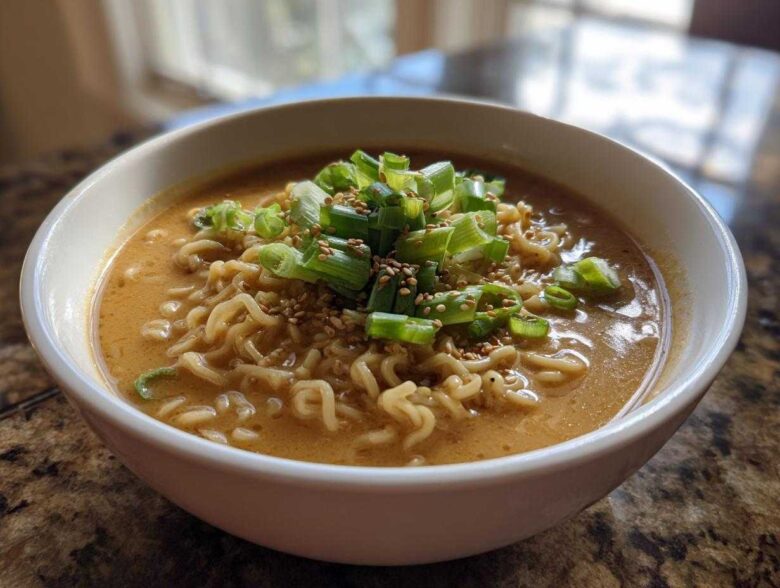
Oh my gosh, you know those nights? The ones where you crave real, deep comfort food, but you want that richness without any of the heavy, dairy stuff? I completely get it! That’s why I spent weeks tinkering away until I cracked the code for what I now know is the creamiest, most savory Vegan Creamy Miso Sesame Noodle Soup you will ever make. Forget watery broths; this is serious business! Trust me, after experimenting with countless techniques, the silken tofu method is the one that truly seals the deal and gives you that incredible mouthfeel. It’s all about building flavor and texture correctly from the very start!
Why This Vegan Creamy Miso Sesame Noodle Soup Works (EEAT Focused)
Listen, making a truly satisfying, complex soup that’s completely plant-based takes a little bit of know-how, and I want you to have it all! The secret to this texture isn’t just adding cream; it’s about using ingredients that emulsify beautifully. I spent so long trying recipes that ended up tasting ‘healthy’ instead of ‘hearty,’ but this version finally hits the mark because we’re using two powerhouses together: silken tofu and tahini. Combine that with the deep umami, and you get a soup that seriously rivals any dairy-based competitor. It’s quick, but the flavor development is anything but! I even linked to another favorite creamy recipe of mine, my creamy zucchini soup, if you want more inspiration!
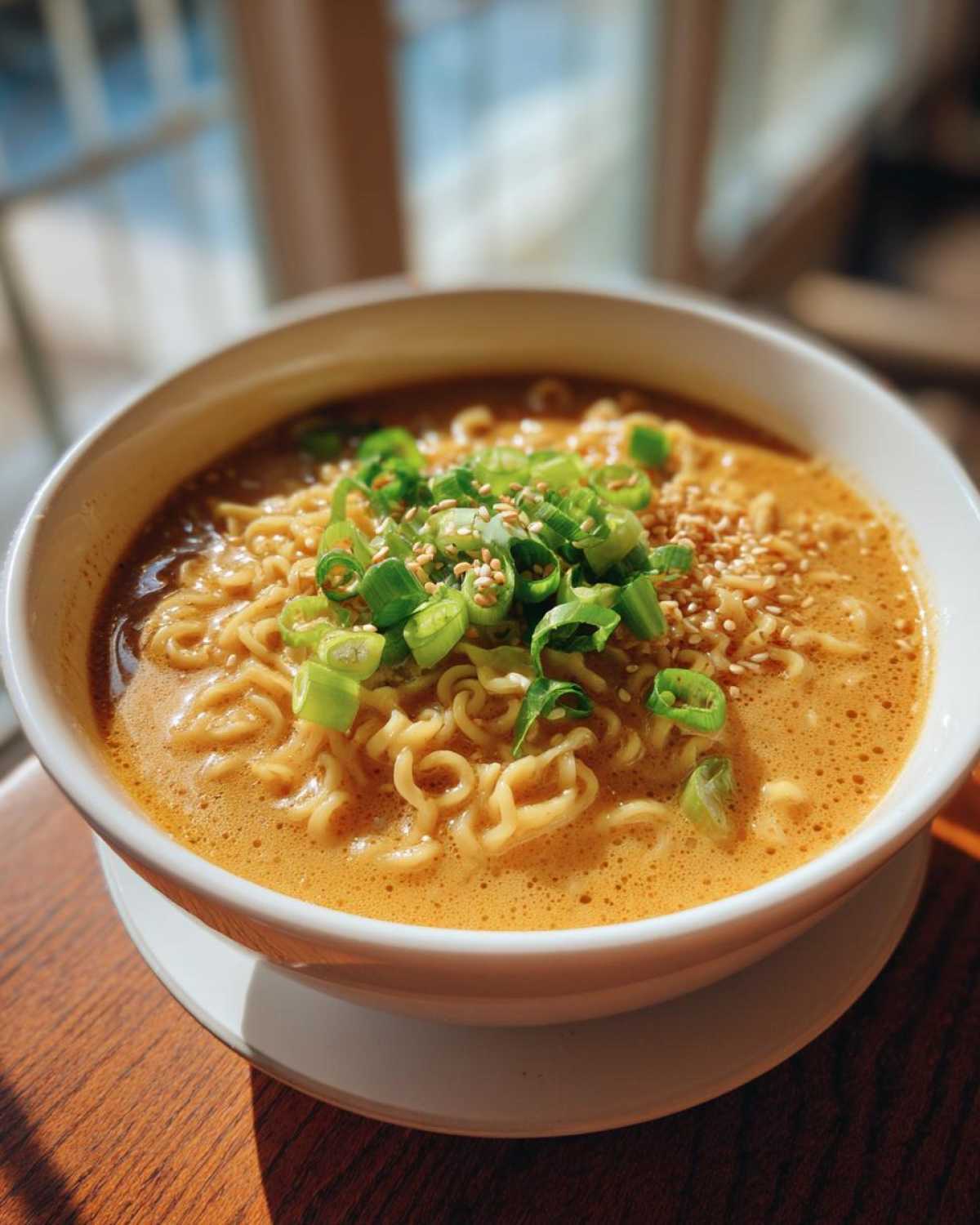
Achieving the Rich Vegan Broth Texture
The texture is everything here, right? We’re skipping any heavy, processed thickeners. Silken tofu is practically flavorless, but when you blend it smooth with the broth ingredients, it creates this incredible, velvety base—it’s almost like cheating! Then, we follow up with a tiny cornstarch slurry right at the end. That little step gives the soup just enough body and cling so it actually coats your noodles. That’s how you get that signature, luxurious, Rich Vegan Broth without any actual cream.
The Miso Sesame Flavor Profile
If you want umami, you need miso and sesame working together! Miso brings that fermented, salty depth that anchors the bowl. But to keep it bright and nutty, we rely on high-quality tahini and the toasted sesame oil. They don’t just taste nutty; they actually carry the other flavors. It’s this beautiful balance that defines the Miso Sesame Flavor Profile—smoky, sweet, savory, and perfectly balanced.
Gathering Ingredients for Your Vegan Creamy Miso Sesame Noodle Soup
Okay, getting everything together for this soup is almost as fun as eating it! Because we’re creating a complex flavor profile in just 25 total minutes, the quality and precision of your ingredients really matter here. Don’t worry too much about finding obscure spices; most of this list is pantry staples, but pay close attention to the tofu type!
Essential Components and Measurements
Here is what you need waiting on the counter before you even think about turning on the stove. Remember, since we are blending everything raw first, make sure your garlic is minced small! This list makes about two seriously generous servings—perfect for a filling dinner.
- 1 block (12 oz) silken tofu (This is mandatory for the smooth texture!)
- 1/4 cup white miso paste (White or yellow is best; red is too intense sometimes)
- 3 tablespoons tahini
- 2 tablespoons toasted sesame oil
- 1 tablespoon soy sauce or tamari
- 1 teaspoon grated fresh ginger
- 2 cloves garlic, minced
- 4 cups vegetable broth
- 1 cup water
- 8 oz ramen or udon noodles
- 1 tablespoon cornstarch mixed with 2 tablespoons cold water (we call this the slurry!)
- For serving: Sliced scallions, toasted sesame seeds, chili oil
Step-by-Step Guide to Making Vegan Creamy Miso Sesame Noodle Soup
We are moving fast here! Since the prep time is only 10 minutes and the cook time clocks in right around 15 minutes, this is officially the easiest, most satisfying soup you can make on a busy weeknight. Just follow these steps in order, and you’ll have a steaming bowl in no time. Don’t try to multitask too much on the soup base, give that blender your full attention for a perfect texture!
Creating the Creamy Tofu Cream Noodle Soup Base
This is where the magic happens! Grab your high-speed blender—you really need it to pulverize that silken tofu into absolute nothingness. Toss in the tofu, miso paste, tahini, sesame oil, soy sauce, ginger, and garlic. You are not done blending until you can see zero specks of tofu or garlic; it should look like smooth, slightly beige silken cream. Seriously, blend it until your arm gets tired! This thorough step is the secret handshake for amazing Tofu Cream Noodle Soup.
Simmering and Thickening the Vegan Creamy Miso Sesame Noodle Soup
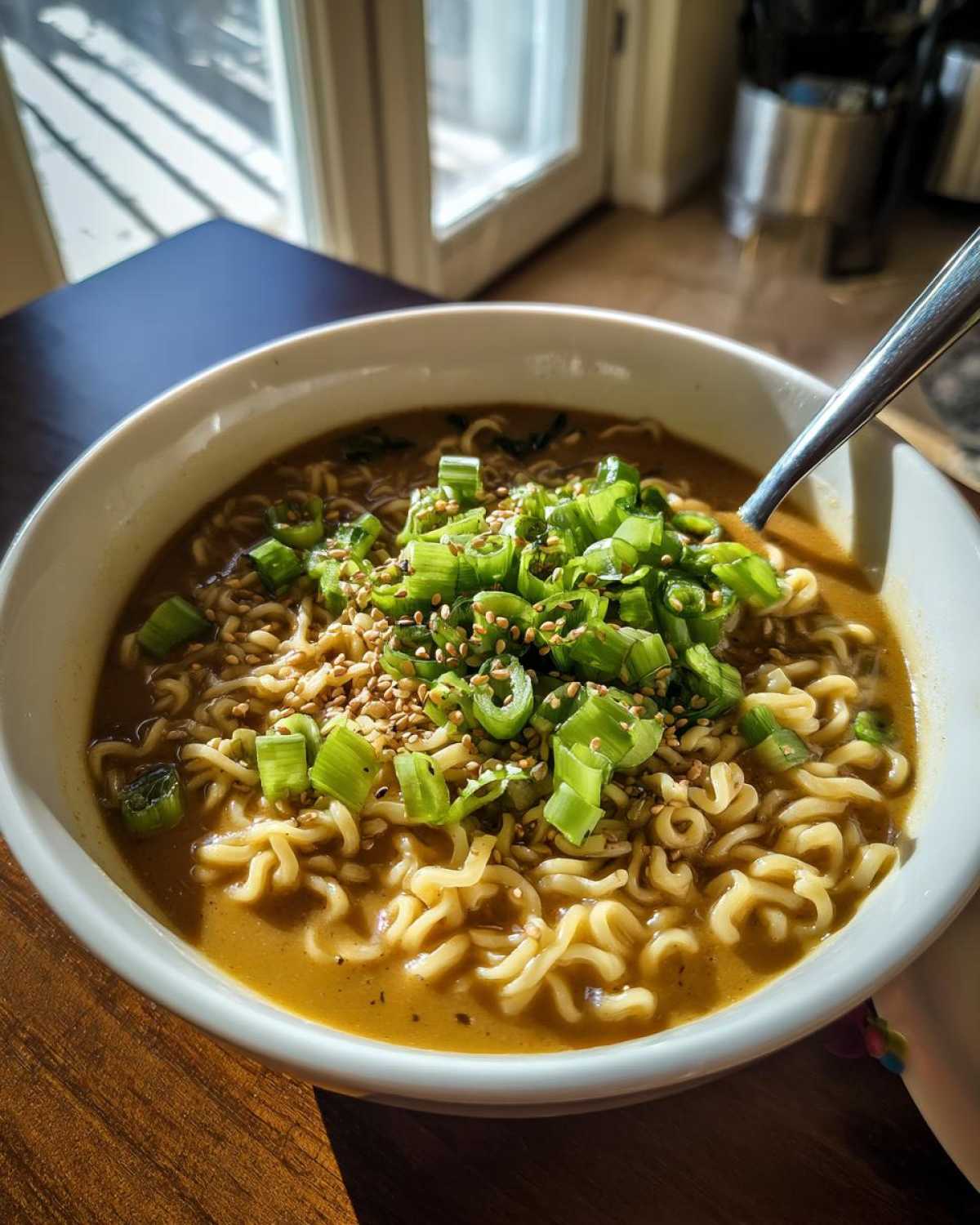
Now, get a medium pot going with your broth and water. Bring that up to just a gentle simmer, not a rolling boil! Keep that heat low, because we don’t want to shock the miso. Whisk in that incredible blended mixture until it’s totally combined. Next, stream in your cornstarch slurry while stirring constantly—watch how quickly this Vegan Creamy Miso Sesame Noodle Soup starts to thicken up. Let it bubble gently for a final minute so that richness sets in properly. While we wait for it to set, maybe check out my favorite snack recipe for when you’re waiting for things to bake, like these easy homemade crackers!
Cooking Noodles and Assembly
While the broth is simmering away, get your noodles cooking in a separate pot, exactly how the package tells you to. Once they are perfectly al dente, drain them really well—we don’t want extra water diluting our work! To assemble, put a nice tangle of those hot noodles right into your serving bowl. Then, carefully ladle that gorgeous, thick, warm soup right over the top, making sure every noodle gets bathed in that creamy goodness. It’s ready to eat in seconds!
Ingredient Notes and Substitutions for Your Vegan Creamy Miso Sesame Noodle Soup
Okay, let’s talk sourcing, because these specialty ingredients make or break the flavor in this Vegan Creamy Miso Sesame Noodle Soup. When you’re working with such intense flavors, using the right type of miso really matters. If you can’t find something, don’t panic! I’ve got backups that I’ve tested myself. You know how sometimes you have to check out a random post late at night just to figure out ingredient swaps? Well, I’ve got you covered here! You can always find great tips about preserving flavors over on my favorite apple butter post, and that same mindset of substitution applies here!
Miso Paste Selection and Tahini Swaps
White or yellow miso paste is my go-to; they are milder and sweeter, letting that sesame really shine through without making the whole soup taste overly salty or aggressive. If you only have red miso, start with half the amount called for in the recipe because it’s aged longer and packs a much bigger punch! Now, about the creaminess: if you’re out of tofu or just don’t have any on hand, don’t fret. That recipe note about using cashews? It’s legit! Soak about half a cup of raw cashews in hot water while you prep everything else, then toss them in the blender instead of the tofu. You’ll get the exact same rich texture!
Gluten-Free Adjustments for This Dairy Free Creamy Soup
Making this recipe gluten-free is super simple, which is great because we don’t want to compromise that amazing texture, right? Two little swaps are all you need for a wonderfully safe and delicious bowl. First, make sure you switch out the soy sauce for tamari. Tamari is just straight-up gluten-free soy sauce. Second, you have to check your noodles! Ramen often contains wheat, so look for certified gluten-free ramen or thick rice noodles, like Udon, if they are clearly marked GF. This keeps the whole dish a fantastic, satisfying, Dairy Free Creamy Soup!
Tips for Success with Your Umami Plant Based Dinner
Look, I want you to succeed! This Umami Plant Based Dinner is so good, but like any recipe built on balancing delicate flavors, a couple of quick tips can take it from ‘great’ to ‘absolutely life-changing.’ First, promise me you’ll taste your broth *before* adding the cornstarch slurry. Miso pastes vary wildly in salt content, so test it first! You might need an extra dash of soy sauce or, conversely, a splash of hot water if it’s too strong.
Second, never boil the soup after the miso goes in! Miso is a living culture, and boiling it violently kills those beautiful, complex savory notes we worked so hard to blend in. Keep it at a gentle simmer, just barely bubbling. And finally, don’t skip warming your bowls! Ladling piping hot soup into a cold bowl just steals precious heat. If you want an idea of how I layer comfort flavors in other ways, you should check out my creamy black bean soup—similar principle!
Serving Suggestions for Your Sesame Noodle Bowl
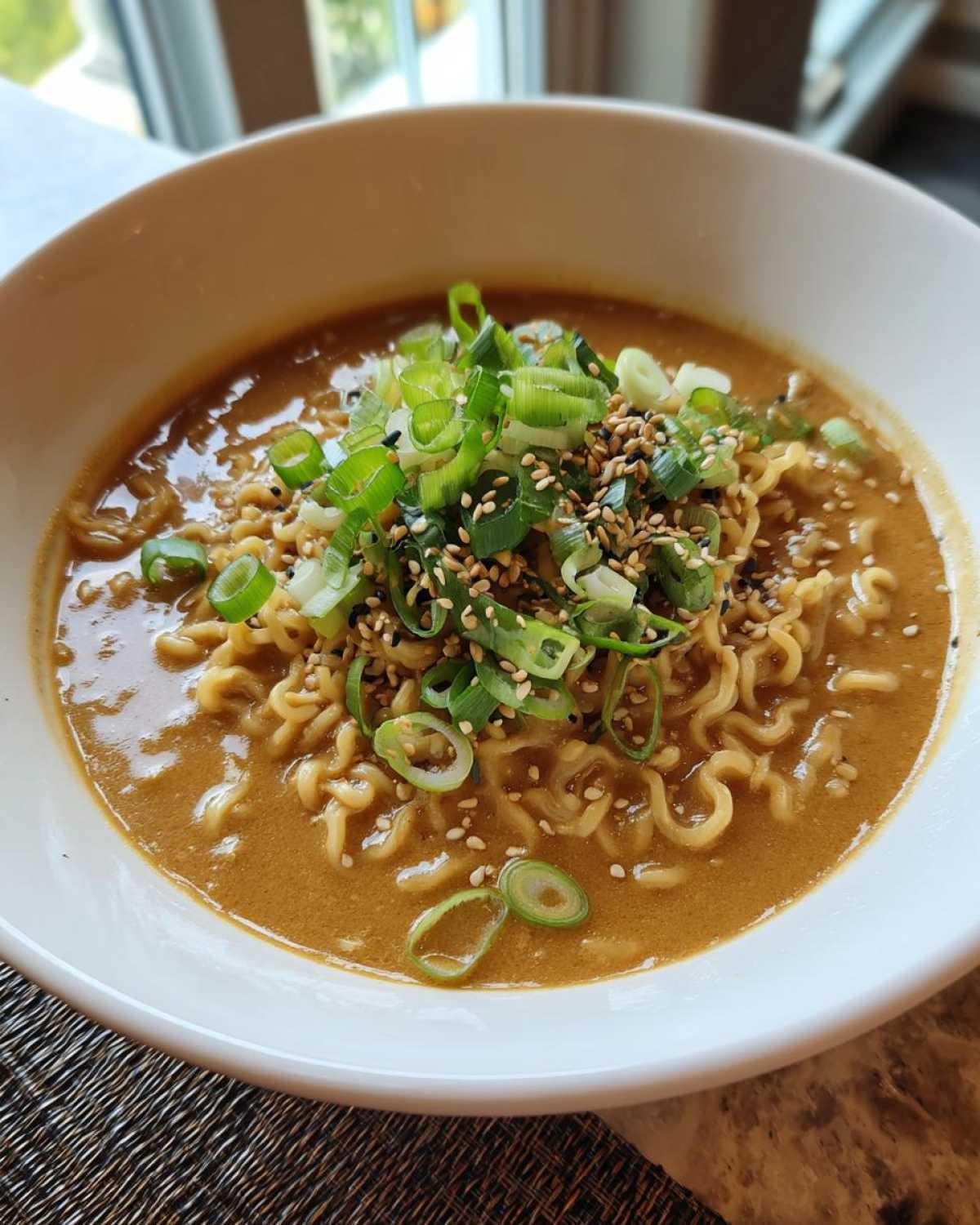
Even the best Vegan Creamy Miso Sesame Noodle Soup needs a good flashy finish! The garnishes I listed are essential—they add texture and a final layer of flavor complexity. You absolutely need those bright, fresh scallions for a little bite and those toasted sesame seeds for crunch. And please, don’t forget the chili oil if you like a kick!
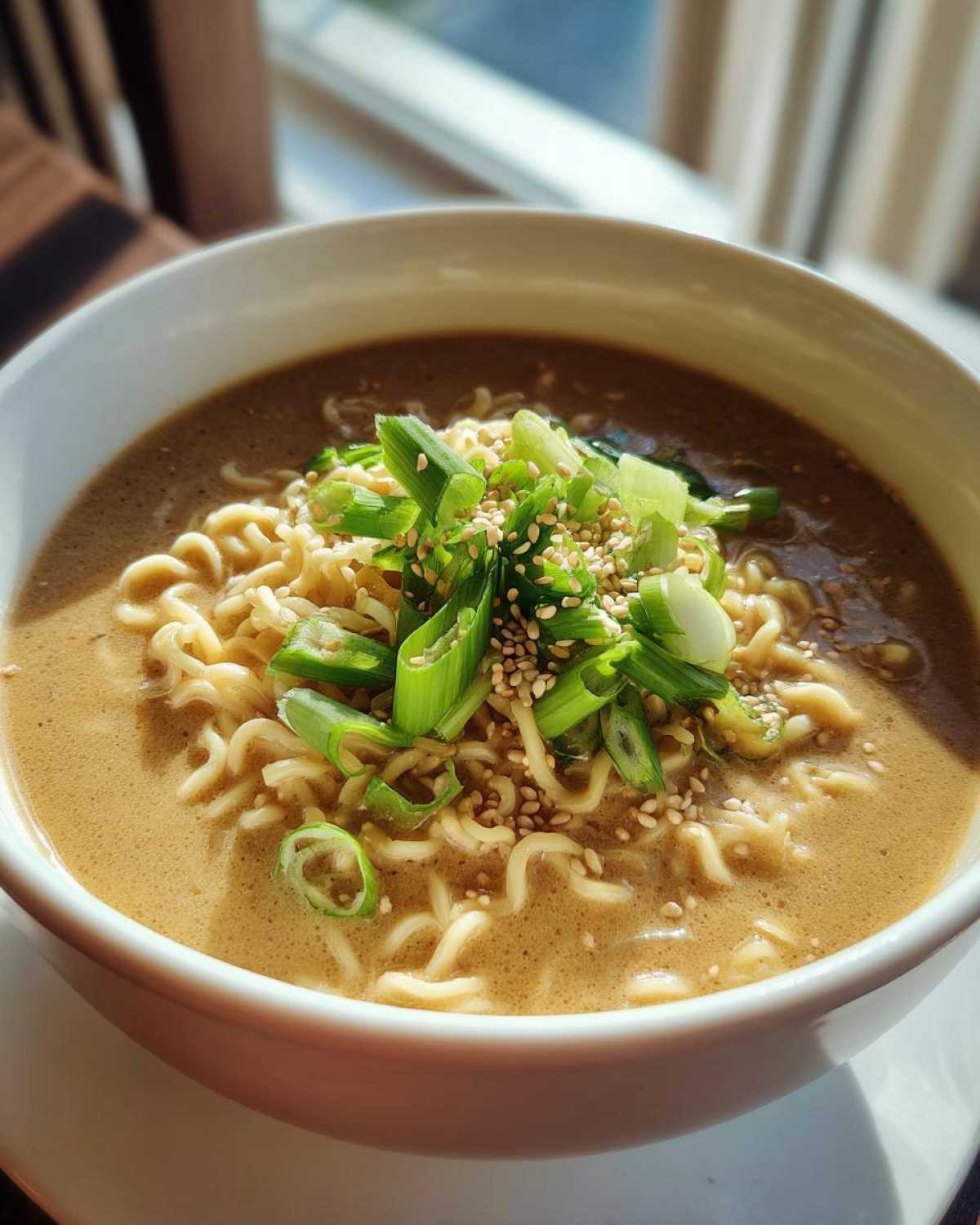
But if you’re turning this into a full feast, a perfect side for your Sesame Noodle Bowl is something crispy and slightly charred. I love making quick roasted broccoli or flash-frying some marinated tofu cubes to sit right on top. If you want a full sheet-pan side dish, check out my sheet-pan guide—even though it has shrimp in the title, the veggie technique works perfectly for pairing with this soup!
Storage and Reheating Instructions for Vegan Miso Soup
I know you’ll want leftovers because this Vegan Miso Soup is that good, but we have to be strategic! Since those tender noodles soak up every last bit of broth, they turn into sad, gummy bricks if you store them together. Here’s the drill: keep the creamy soup base in one airtight container in the fridge, and the cooked noodles in another. They should hang out separately for up to three days.
When you’re ready to eat, reheat that gorgeous base gently on the stove—again, no aggressive boiling! Then, cook a fresh batch of noodles, or reheat the old ones in plain water just to soften them up, and combine them right before serving. That way, every bowl tastes just as phenomenal as the first time!
Frequently Asked Questions About This Creamy Noodle Soup Recipe
I knew you’d have questions! When you’re dealing with something as specific as a creamy vegan soup, folks always want to make sure the texture holds up. I’ve gathered the most common concerns, especially about time management and flavor boosting. If this doesn’t answer it, check out my favorite hearty recipe for a different kind of comfort—my hearty lentil soup is always a crowd-pleaser!
Can I make this Vegan Creamy Miso Sesame Noodle Soup ahead of time?
Yes, absolutely, but you have to be smart about it! Remember what I said about storage? You must keep the soup base separate from the noodles. The creamy base stores beautifully in the fridge for about four days. When you’re ready to eat, reheat the base gently, cook your noodles fresh (or reheat the old ones in plain water), and combine them right before serving. If you mix them beforehand, those noodles will drink up all your lovely cream!
How can I adjust the spice level in this Asian Inspired Soup?
This is an easy one to customize! The base recipe is rich and savory, not fiery hot. If you’re someone who needs that extra warmth, the best place to add heat is right at the end, on your own bowl. If you have some Sriracha or fresh minced bird’s eye chili, toss a tiny bit into your blended base before you simmer it. But honestly, my favorite way is loading up on a good quality chili oil right before taking a bite. That’s the signature way to finish this Asian Inspired Soup!
Share Your Experience Making This Healthy Vegan Comfort Food
I’ve shared all my best secrets for getting that perfect Vegan Creamy Miso Sesame Noodle Soup texture and deep umami flavor, and now I really, really want to know what you think! Cooking is all about sharing, and my favorite part of running this blog is hearing how these recipes turn out in your kitchen. Did the silken tofu give you the dreamiest texture you’ve ever had in a vegan soup? Or maybe you tried a topping I didn’t even mention?
Take a minute once you’ve slurped down that last noodle to drop a rating below—let me know how many stars this Healthy Vegan Comfort Food earned in your house! And please, leave a comment telling me what your ultimate topping combination was. I’m always looking for new ways to garnish!
If you want to see what everyone else is cooking up or need a little more inspiration, swing by my recipe index for more delicious ideas. Happy cooking, friend!
PrintVegan Creamy Miso Sesame Noodle Soup
Make a rich and satisfying vegan noodle soup featuring a creamy base flavored deeply with miso and toasted sesame.
- Prep Time: 10 min
- Cook Time: 15 min
- Total Time: 25 min
- Yield: 2 large servings
- Category: Dinner
- Method: Stovetop
- Cuisine: Asian Inspired
- Diet: Vegan
Ingredients
- 1 block (12 oz) silken tofu
- 1/4 cup white miso paste
- 3 tablespoons tahini
- 2 tablespoons toasted sesame oil
- 1 tablespoon soy sauce or tamari
- 1 teaspoon grated fresh ginger
- 2 cloves garlic, minced
- 4 cups vegetable broth
- 1 cup water
- 8 oz ramen or udon noodles
- 1 tablespoon cornstarch mixed with 2 tablespoons cold water (slurry)
- For serving: Sliced scallions, toasted sesame seeds, chili oil
Instructions
- Combine the silken tofu, miso paste, tahini, toasted sesame oil, soy sauce, ginger, and garlic in a high-speed blender. Blend until completely smooth and creamy.
- Pour the vegetable broth and water into a medium pot. Bring the liquid to a gentle simmer over medium heat. Do not boil vigorously.
- Whisk the blended miso-sesame mixture into the simmering broth until fully incorporated. Taste and adjust seasoning if needed.
- Add the cornstarch slurry to the soup base while stirring constantly. Let the soup simmer for 1-2 minutes until it thickens slightly to your desired creamy consistency.
- Cook the noodles according to package directions in a separate pot of boiling water. Drain well.
- Divide the cooked noodles among serving bowls. Ladle the hot creamy soup over the noodles.
- Garnish each bowl with sliced scallions, toasted sesame seeds, and chili oil, if desired. Serve immediately.
Notes
- For the creamiest result, use high-quality white or yellow miso paste. Red miso is stronger and may require less quantity.
- If you do not have silken tofu, you can substitute it with 1/2 cup of raw cashews soaked in hot water for 30 minutes, then drained and blended.
- To make this soup gluten-free, use tamari instead of soy sauce and ensure your noodles are certified gluten-free.
Nutrition
- Serving Size: 1 serving
- Calories: 550
- Sugar: 8
- Sodium: 1100
- Fat: 28
- Saturated Fat: 3
- Unsaturated Fat: 25
- Trans Fat: 0
- Carbohydrates: 55
- Fiber: 7
- Protein: 25
- Cholesterol: 0